

Our approach to timber.
For tomorrow.
Natural material. Considered responsibility.
Timber is an extraordinary material.
It is natural, renewable and capable of bringing warmth, texture and character to the built environment in a way few materials can.
But being natural doesn’t automatically make a material sustainable. Where timber comes from, how it is grown, how forests are managed, how efficiently it is used and how long it remains in a building all matter.
At Glosswood, our approach starts with the material itself. We work exclusively with rapidly growing plantation timbers, sourced through established supply partners and selected for their suitability for architectural applications.
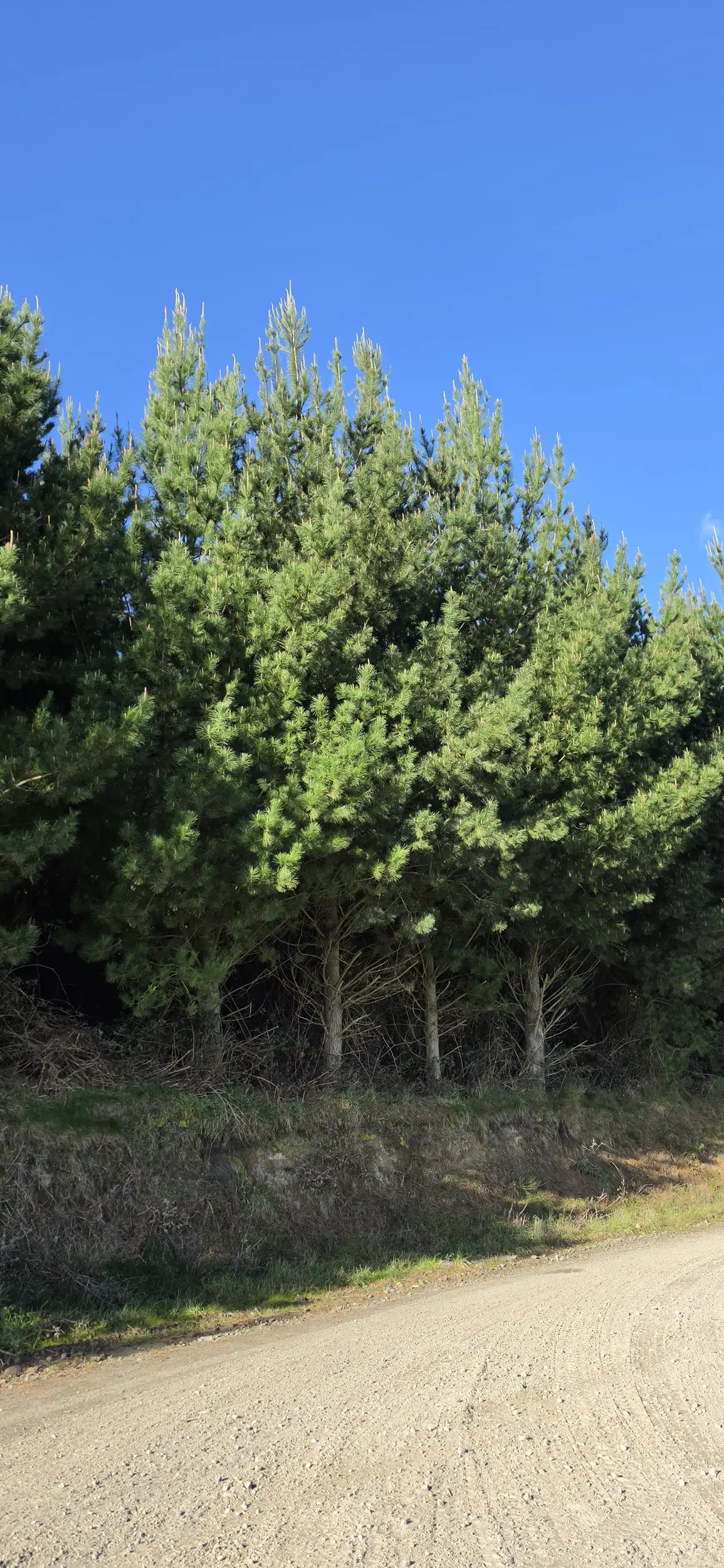
We don’t believe sustainability is defined by a single certification, declaration or logo.
We see it as an ongoing responsibility to understand our materials, know the people who produce them and continually improve the way our products are sourced, manufactured and used.

Rapidly growing plantation timber.
Our timber philosophy is deliberately focused. Glosswood products are made using rapidly growing plantation timbers rather than native old-growth forests.
Plantation forestry provides a managed and renewable source of timber, with trees grown specifically to become a future material resource.
Species such as Paulownia are particularly interesting to us because of their rapid growth, lightweight nature and ability to create architectural surfaces using relatively small volumes of timber. For us, this creates an important connection between renewability and material efficiency.
We don’t simply ask whether something is timber. We consider where it came from, how it was grown and whether it represents an intelligent use of a natural resource.
It starts with where our timber comes from.
Responsible sourcing sits at the centre of our approach.
We work with established plantation timber suppliers and manufacturing partners and seek to understand the supply chain behind the materials we purchase, including timber species, origin, manufacturing location and relevant forestry and sourcing information.
Our suppliers may hold independent forestry certifications, chain-of-custody credentials and other environmental accreditations relevant to their operations and supply chains. We review these credentials alongside supplier declarations and supporting documentation as part of our broader approach to responsible sourcing.
Where specific certification is important to a project, we encourage our clients to speak with us so we can provide the relevant information available for that product and supply chain.
Partnerships matter.
We believe better materials are created through better partnerships.
Many of our supplier relationships have been developed over decades. That continuity gives us greater visibility into how our timber is grown, sourced and manufactured, while creating opportunities to work collaboratively on improvements.
We talk to our partners about timber sourcing, manufacturing, coatings, waste, packaging, transportation, durability and product performance.
Meaningful progress happens when suppliers, manufacturers, designers, builders and material companies work together to find better ways of doing things.
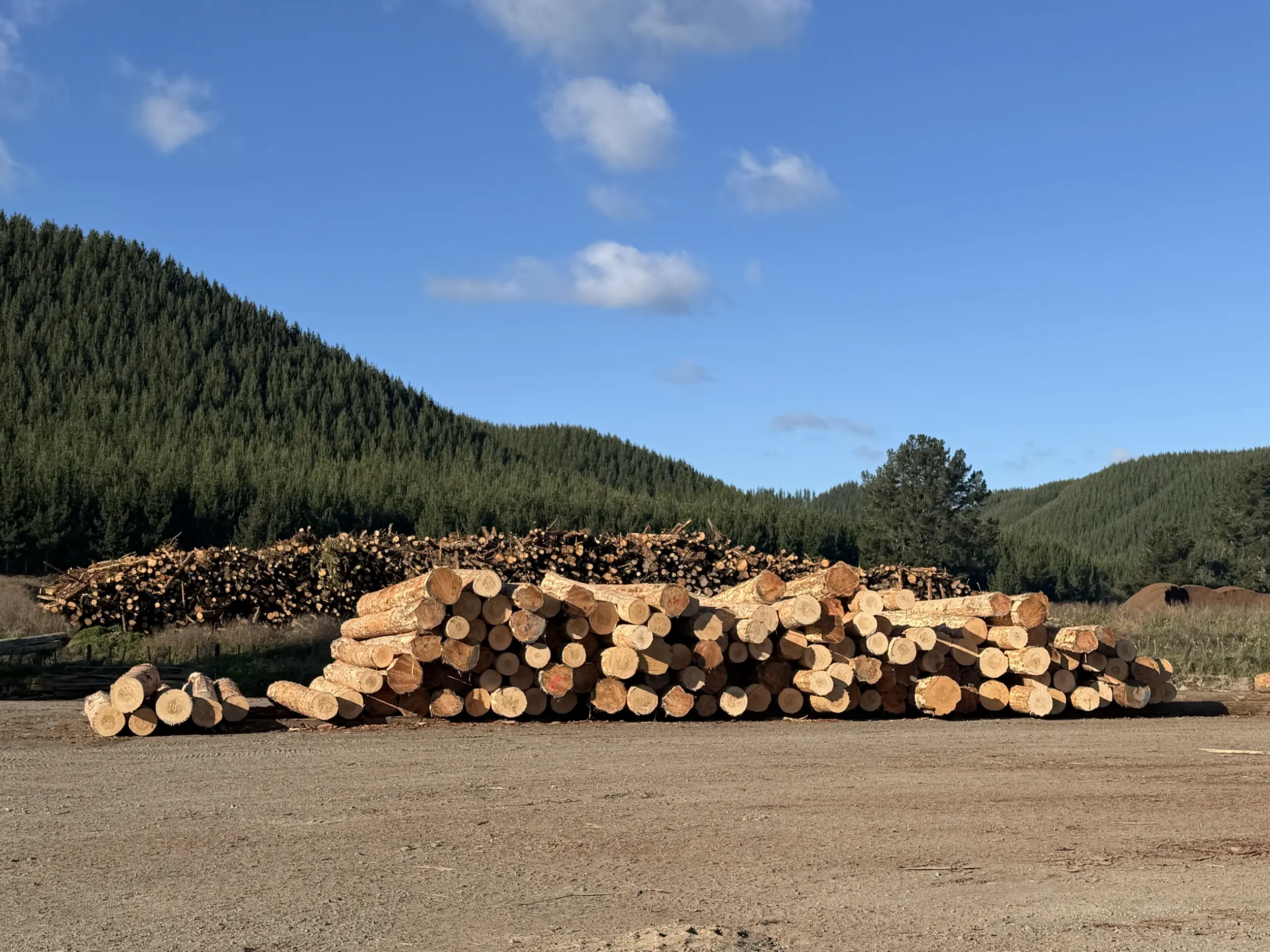
Verification, not assumption.
We don’t want our sustainability position to rely on broad statements.
Our supplier review process includes obtaining and reviewing relevant information about the timber and materials entering our supply chain.
Depending on the product and supplier, this may include species and country-of-origin information, forestry and sourcing certifications held by our supply partners, timber legality and supplier declarations, chain-of-custody and traceability information, manufacturing and environmental documentation, and product-specific technical information.
These credentials remain those of the relevant supplier or supply chain unless expressly stated otherwise.
Our role is to ask the questions, understand the information available to us, meet with the people behind our supply chain, and make considered sourcing decisions.
Making more from less.
Material efficiency matters.Our focus on rapidly growing, lightweight plantation timber allows us to create substantial architectural surfaces from relatively small volumes of natural material.
We look for further opportunities across product design, profiling, manufacturing, packaging and specification to use that timber intelligently and minimise unnecessary waste.
Efficient specification matters too. Helping architects, builders and customers understand quantities, applications and installation can reduce unnecessary material use and waste at project level.
Designed to last.
Sustainability isn’t only about where a material begins its life. It is also about how long it stays useful.
We believe architectural materials should be designed for longevity. Timber selection, manufacturing consistency, coatings, installation, maintenance and appropriate specification all influence the service life of a finished product.
Our focus on product performance isn’t separate from sustainability. It is part of it.