Beyond Double Brick: Is WA’s Brick Shortage Changing the Way We Build?
Western Australia has long had a love affair with double brick. But with brick supply under pressure, housing demand remaining strong and sustainability becoming increasingly important, could the current shortage accelerate a fundamental change in the way WA builds?
For generations, the Western Australian home has been synonymous with double-brick construction.
It is deeply embedded in our building culture. Buyers understand it, builders know how to deliver it and the supply chain has evolved around it. According to research cited by the ABC, around 68 per cent of detached houses in Western Australia are constructed from brick — dramatically higher than many other Australian jurisdictions.
But that dependence is now being tested.
Western Australia is experiencing a significant shortage of bricks at precisely the time the State is trying to accelerate housing delivery. The issue has become significant enough that the WA Government recently committed up to $4 million to support the reopening of Austral Bricks’ Cardup manufacturing facility.
Austral closed the facility in 2023, leaving WA with effectively one major local brick manufacturer. Since then, detached housing commencements have increased by more than 50 per cent, putting considerable pressure on the remaining production capacity. Reopening Cardup is expected to increase WA brick production by up to 15 per cent.
Increasing brick production is clearly part of the solution.
But perhaps there is another question worth asking.
Do we simply need more bricks — or does Western Australia need to rethink the way it builds?
A constraint can also be a catalyst
WA’s housing challenge is ultimately a question of capacity.
The State Budget reports that building approvals reached more than 25,000 homes in the year to February 2026, while commencements increased to approximately 23,830 homes during 2025.
At the same time, the construction industry continues to contend with material availability, labour constraints and the challenge of delivering homes quickly enough.
The brick shortage exposes one of the vulnerabilities of relying heavily on a single construction methodology.
This isn’t an argument against brick. Brick will remain an important and valuable building material in Western Australia.
It is an argument for diversification.
Building lighter — and potentially faster
One of the strongest arguments for lightweight construction is speed.
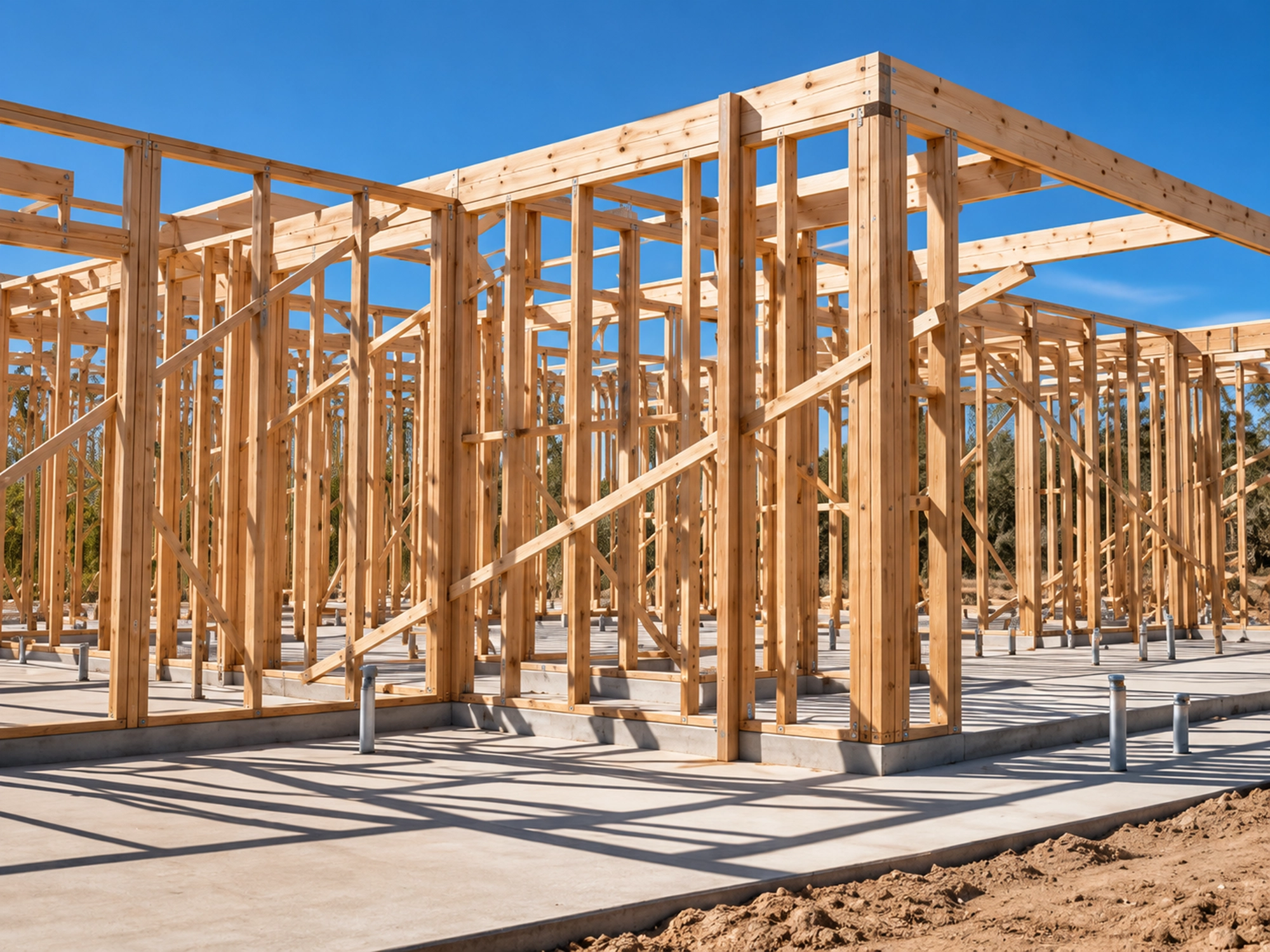
WA Government timber-frame housing projects have previously demonstrated homes being delivered in less than five months, while more conventional construction was experiencing significantly longer delivery periods.
More recently, the ABC reported that a Perth timber-frame home was on track for completion within nine months, compared with an industry estimate of approximately 12–18 months for a typical WA house. Advocates argue alternative framing methods can substantially reduce construction times.
There are obvious qualifications. No construction method automatically guarantees a faster project. Design, approvals, trades, procurement and builder capability all matter.
But lightweight systems offer an important advantage: they change where and how the work happens.
Components can increasingly be manufactured, cut or assembled away from the construction site. Frames can be erected rapidly. Façade systems can then create the weatherproof external envelope without relying exclusively on traditional masonry construction.
That potentially means fewer wet trades, reduced dependence on particular labour categories and a construction process that is more repeatable and predictable.
For a State trying to dramatically increase housing supply, productivity matters.
The façade becomes more important
A transition toward lightweight construction also changes the architectural conversation.
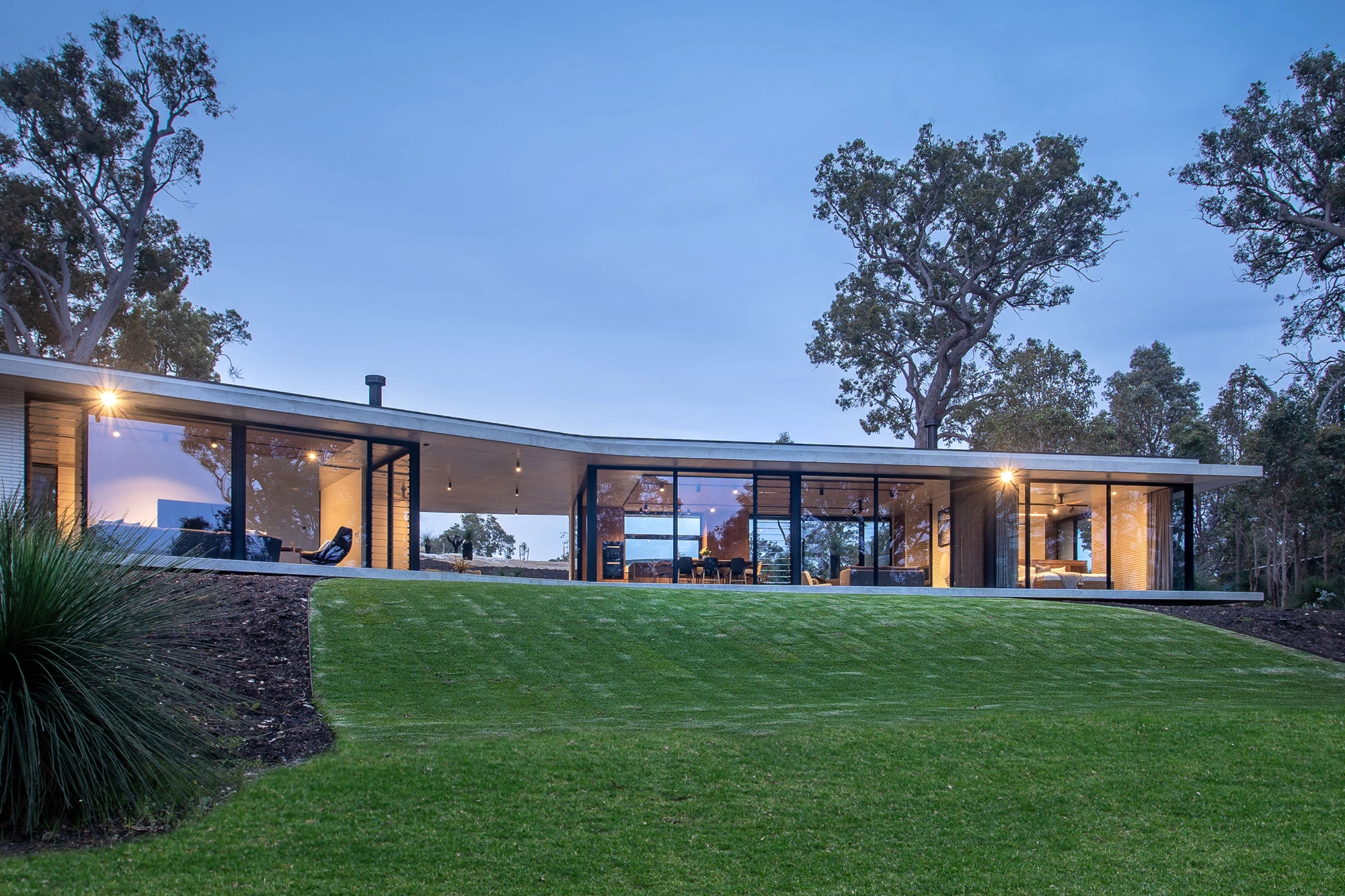
When the structural wall no longer needs to be expressed as a brick wall, the external façade becomes an independent design opportunity.
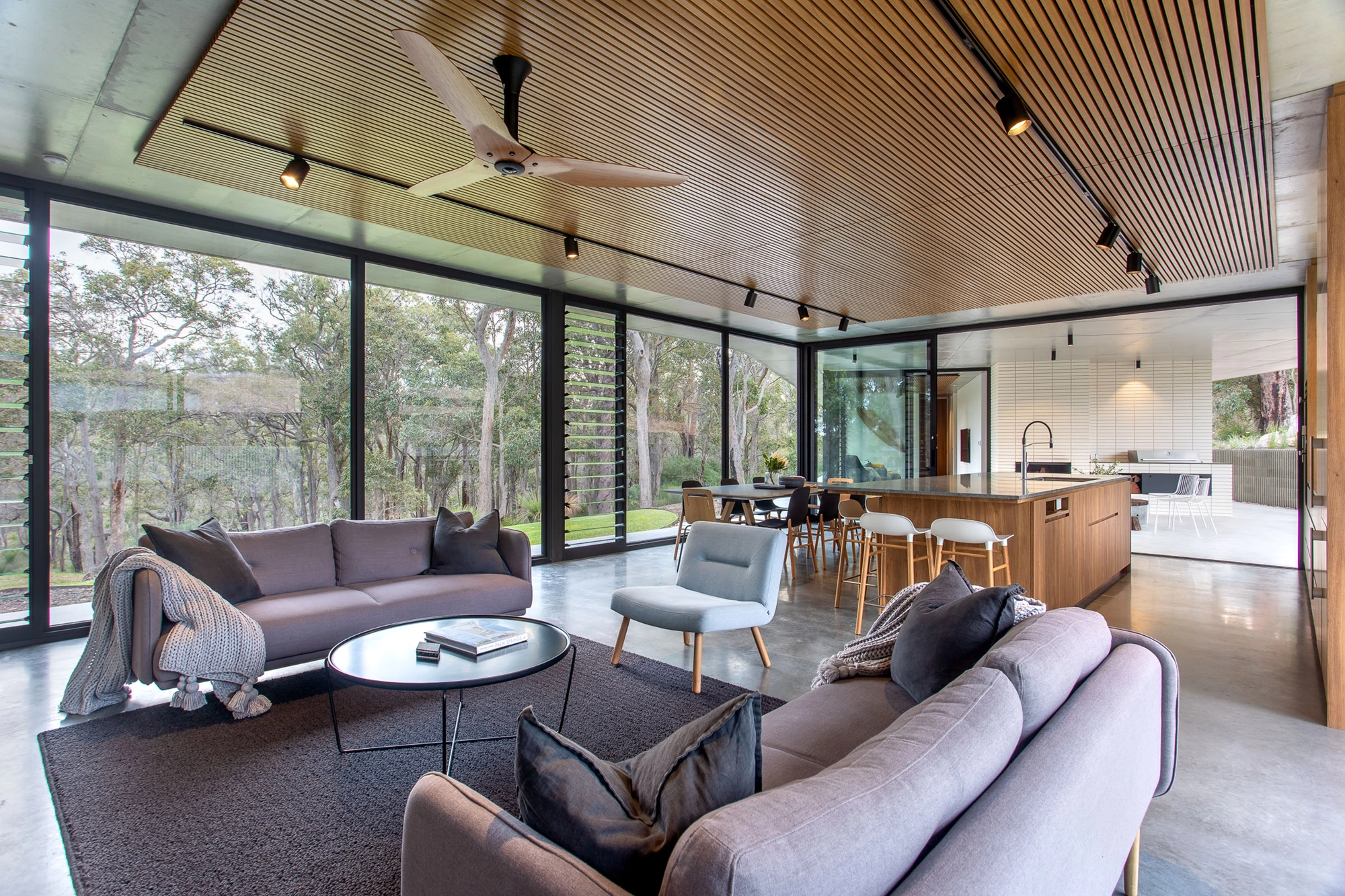
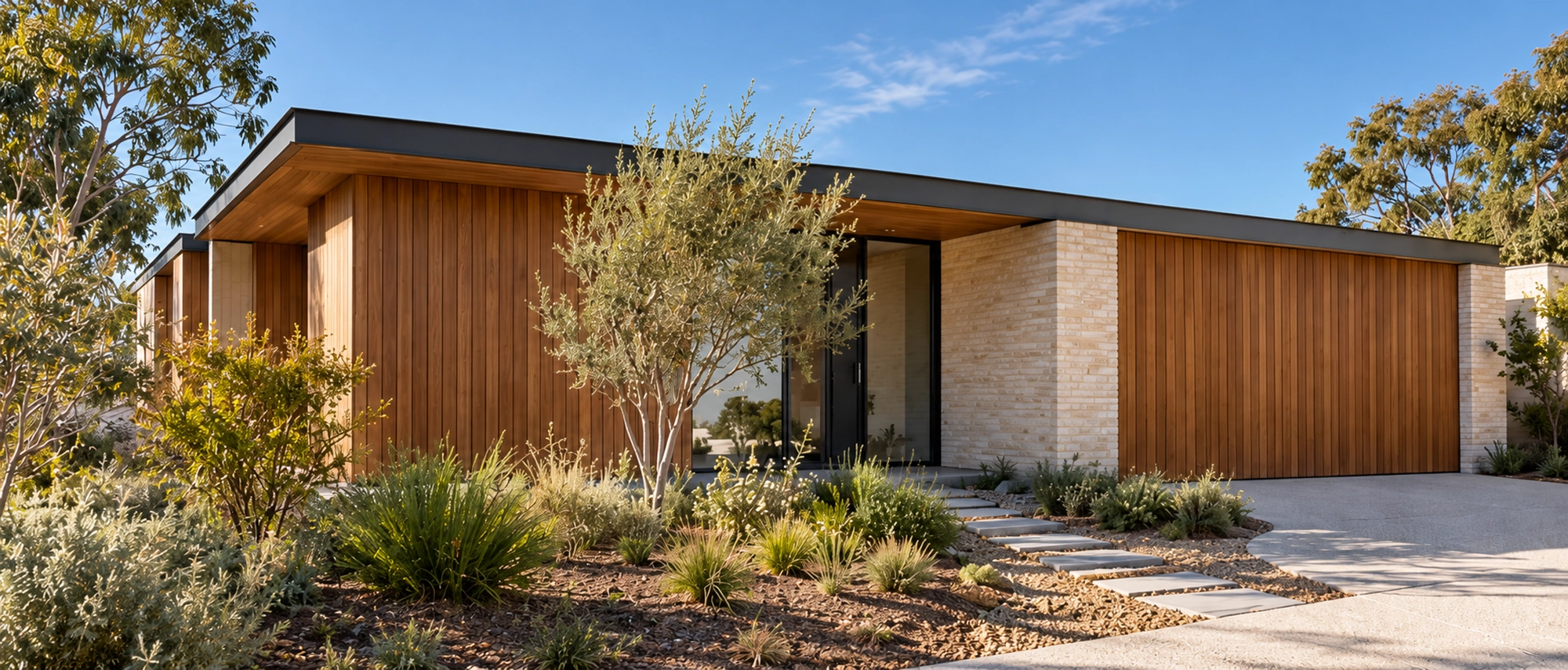
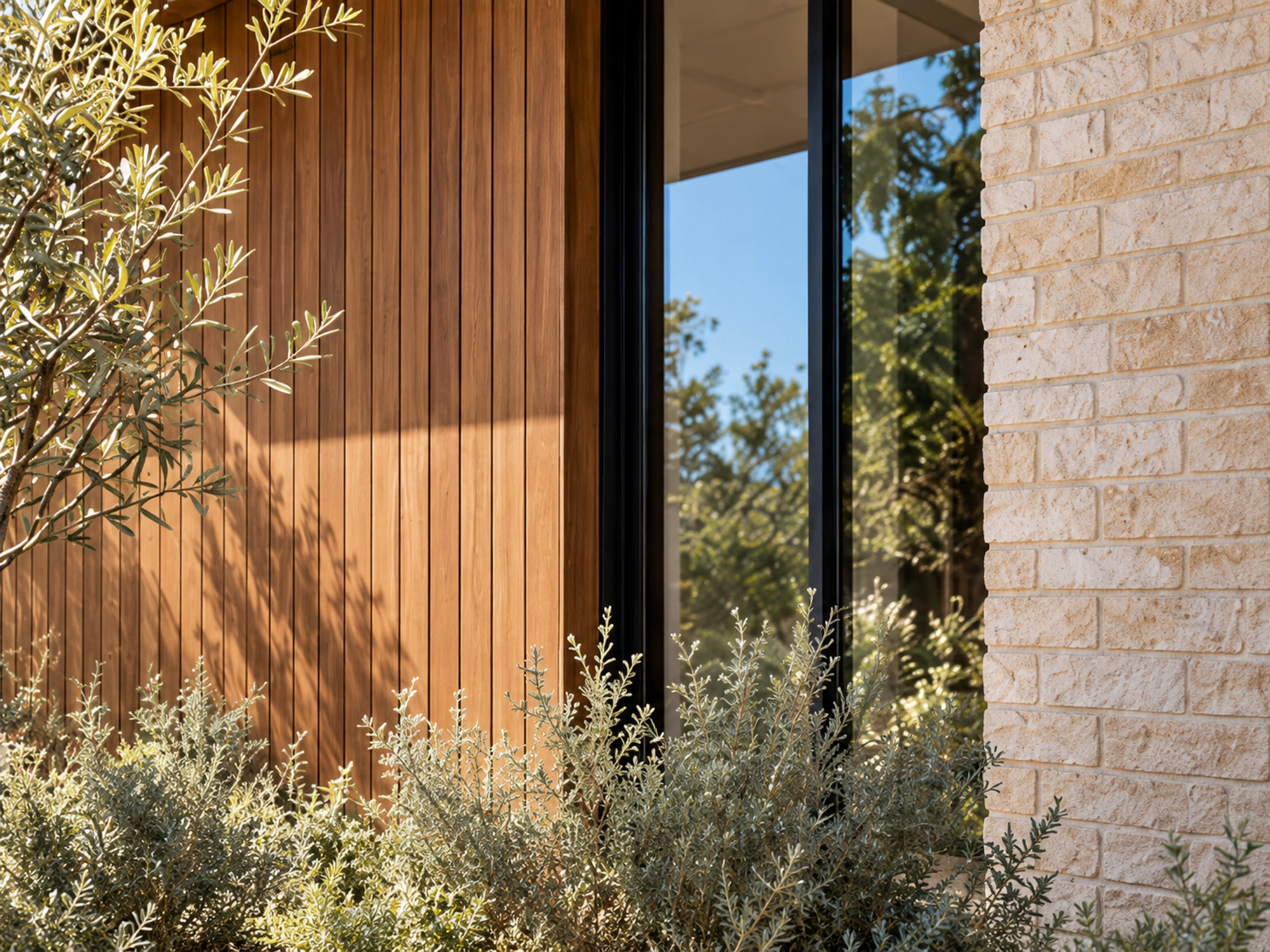
Timber, fibre cement, metal, composite materials and other lightweight cladding systems can be combined to create buildings with substantially greater variation in texture, profile, colour and form.
We can design differently.
And timber has an interesting role to play within that transition.
Responsibly sourced timber is renewable, relatively lightweight and capable of storing biogenic carbon during its useful life. Used appropriately as part of a considered wall system, timber cladding can provide both an architectural finish and a connection to a lower-carbon material palette.
Modern timber products are also very different from the traditional weatherboards many Western Australians associate with lightweight construction.
Thermally modified timber, engineered profiles, factory-applied coatings and increasingly sophisticated fire-performance technologies are expanding the environments in which timber can be considered.
That evolution matters. Because if lightweight construction is going to become more widely adopted in WA, it needs to satisfy more than the sustainability argument. It needs to deliver performance, durability, compliance and architectural quality.
Sustainability needs to be considered as a system
There is also a broader environmental question.
Buildings should not be assessed purely by the material visible on their façade. Operational energy, embodied carbon, transportation, construction waste, longevity, maintenance and eventual reuse or disposal all contribute to the environmental impact of a building.
The opportunity presented by lightweight construction is therefore bigger than replacing one material with another. It is an opportunity to reconsider the whole building system.
Changing the perception of the WA home
For decades, Western Australians have associated solidity and permanence with masonry. Lightweight construction can still sometimes be perceived as an inferior alternative rather than simply a different method of building.
Yet much of Australia — and many sophisticated construction markets around the world — already build predominantly with framed construction.
WA is increasingly experimenting with the same approach. Steel-framed, modular and other construction methods now account for a meaningful share of the local market, while government housing programs have deliberately incorporated timber frame and modular construction to accelerate delivery.
Changing consumer expectations will take time. But material shortages have a habit of accelerating innovation.
From shortage to opportunity
The immediate challenge facing WA is straightforward: we need more homes, and we need the capacity to build them.
Reopening local brick manufacturing will help.
But solving the current shortage should not mean losing sight of the larger opportunity it has exposed.
Western Australia does not need to abandon double brick. It needs to become less dependent upon it.
A more resilient construction industry should have multiple ways to build — masonry where it makes sense, timber and steel framing where they make sense, modular and prefabricated systems where they offer advantages, and a diverse range of façade materials capable of delivering the architectural character Western Australians expect.
For companies such as Glosswood, which has spent decades working with timber as an architectural material, this transition represents an opportunity to contribute to that next generation of buildings — developing lightweight timber lining and cladding systems that combine natural materiality with increasingly sophisticated durability, sustainability and performance requirements.
The current brick shortage will eventually ease. The more interesting question is whether the way Western Australia builds will return to business as usual when it does. The future WA home may still contain brick. But increasingly, it may also be framed differently, clad differently and built considerably more efficiently.