
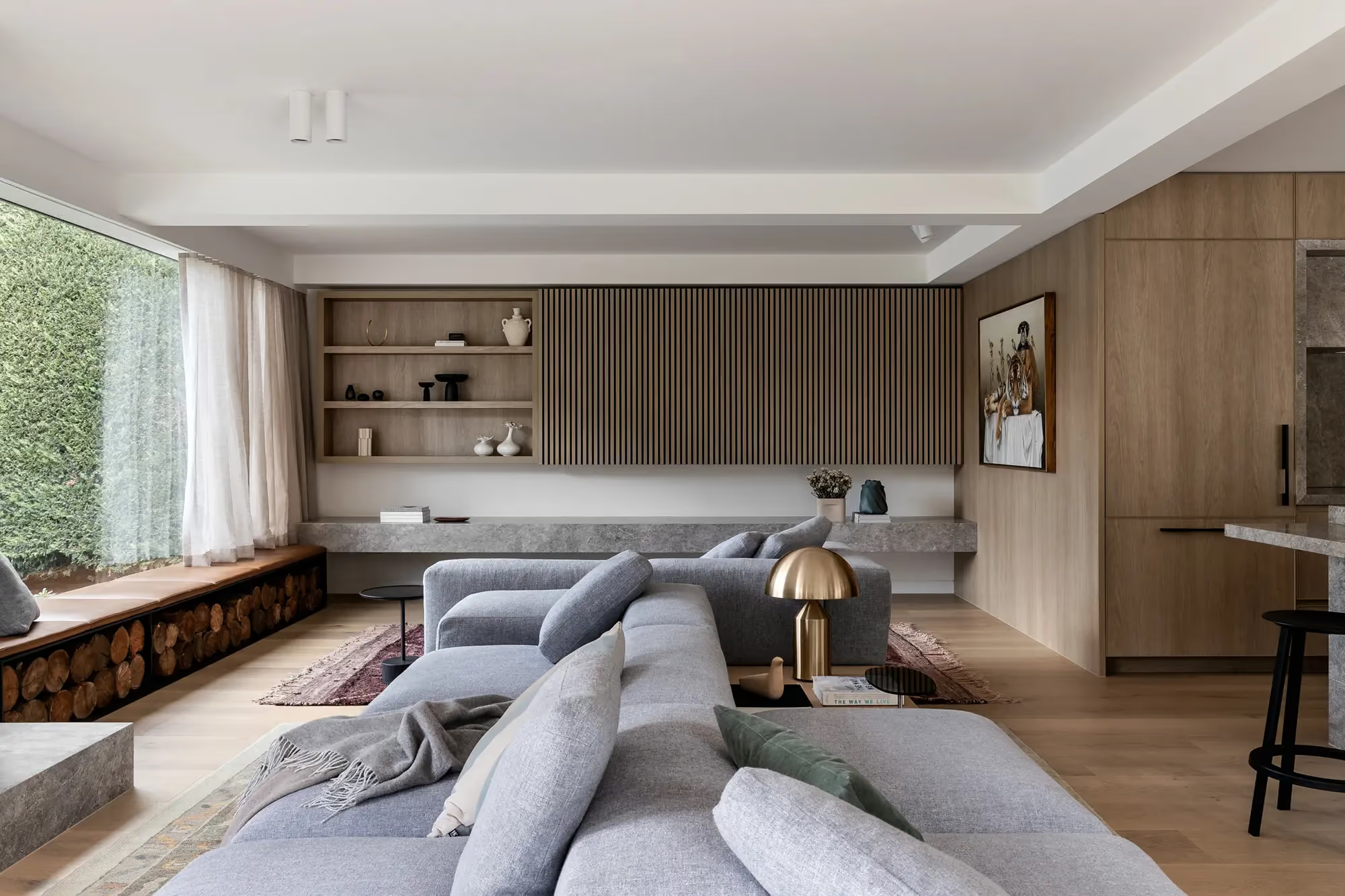
What acoustic boards are and why their materials matter
Acoustic boards, also known as panels, baffles or sound panels, are fitted to walls and ceilings to soak up excess noise, cut down echo, and boost the acoustic comfort of indoor spaces. In offices, classrooms and public venues, controlling reverberation is vital for clear speech and occupant comfort.These boards do their job using porous, sound-absorbing materials like acoustic foam, recycled PET, mineral wool, glass wool, felt, wool, acoustic fabrics, or timber constructions. The material you choose directly affects how much sound gets absorbed, how sound spreads through the space, and what the panels look like.
Take mineral wool and glass wool, for instance. They're brilliant at high-performance sound absorption. Textiles and foam give you more customisation choices but might not perform as well acoustically. Timber panels bring visual warmth and are often picked where looks and natural finishes matter, combining decent sound absorption with architectural style.
Australian standards promote panels that help create quieter environments, reduce stress, and increase productivity, especially in healthcare, education, and commercial spaces. At the end of the day, choosing the right material is crucial to get both the acoustic results you want and panels that work well with your interior design.
Timber acoustic boards
Timber brings together acoustic performance with natural warmth, making it a popular choice for the visible face of acoustic boards. It is often specified in Australian commercial projects where aesthetics matter just as much as sound control.
The acoustic performance of timber panels comes down to a few key factors: the type of wood you choose, its density, and how thick the panel is. Denser, thicker timber generally absorbs and diffuses sound more effectively, which is why it performs well in spaces such as lecture halls or busy office areas where noise control is essential.
What makes timber panels particularly effective is how they can incorporate perforations or slots. These are not purely decorative features. The size, pattern, and spacing of these openings can be carefully designed to target specific sound frequencies and improve acoustic performance.
When specifying these panels, performance is typically measured using the sound absorption coefficient and NRC values, just like other acoustic materials. By adjusting the perforation design and timber characteristics, manufacturers can create panels suited to different acoustic environments.
This flexibility means timber acoustic boards work well across a range of spaces, from university lecture theatres to corporate boardrooms, delivering both effective sound management and the natural timber aesthetic widely used in contemporary architecture.
Solid wood panels
Solid wood panels are still a go-to choice for critical listening spaces like concert halls, recording studios, and performance venues. They've got that timeless appeal and the kind of durability that keeps architects and acoustic engineers coming back for more.
What makes them work so well acoustically is their natural density and variable thickness. These characteristics help with both sound absorption and diffusion, which is exactly what you need when sound clarity matters most.
Heavier, thicker panels are particularly good at taming unwanted echoes and creating those balanced soundscapes that professional spaces demand. In Australia, you'll find these panels doing their job in performance venues and studios where the acoustic requirements are non-negotiable.T
he bonus with solid wood is that you get serious acoustic performance alongside that warm, natural architectural finish that fits beautifully into Australian commercial and cultural spaces.
Perforated and slotted timber panels.
Perforated and slotted timber panels take precision engineering to the next level with their carefully designed patterns of holes or linear slots. The size, shape, and spacing of these perforations aren't random. They're calculated to absorb targeted frequency ranges, which means acoustic consultants can tackle specific reverberation problems head-on.These panels really shine in environments where managing echo and sound clarity is absolutely critical. Think lecture theatres, auditoriums, performance venues, and open-plan offices where every conversation matters.
What makes them particularly clever is how the pattern and distribution of holes or slots can be fine-tuned. This gives you precise sound absorption that effectively reduces unwanted noise and enhances overall acoustic quality in sensitive settings.Their ability to control reverberation makes them essential in spaces that demand both clear speech and high acoustic comfort. Whether you're dealing with a noisy university lecture hall or a busy corporate meeting room, these panels deliver exactly the acoustic control you need.
How acoustic boards are built: cores, frames and finishes
When it comes to construction, acoustic boards offer quite a few different approaches depending on what you're trying to achieve. You can go frameless, where the core material does all the structural work and gets finished directly with fabric or timber facing. Or you can build them with a wood frame structure.
The framed approach is pretty popular in Australian commercial projects. Here, you'll typically find mineral wool or acoustic foam tucked inside the frame, which does the heavy lifting for sound absorption. The whole thing gets wrapped in breathable acoustic fabric that serves double duty as both the visible finish and the gateway for sound to reach the absorbent core.
If you're after something with more natural appeal, timber-faced boards are where things get interesting. These often feature carefully positioned perforations or slots cut into the timber surface. It's not just about looks though. Those openings create a direct path for sound waves to hit the absorbent material behind whilst keeping that authentic wood appearance that works so well in Australian interiors.
This combination approach means you can fine-tune timber-faced panels for both visual impact and acoustic results. Whether you choose frameless fabric-wrapped options or timber-faced solutions, they all help tackle noise issues in busy commercial and public spaces where clear communication and occupant comfort really matter.
Where different materials are commonly specified
You'll find timber acoustic panels doing their best work in Australian concert halls, theatres and recording studios, where getting the reverberation and clarity spot-on is everything for both performers and audiences. The density and thickness of the timber directly affect how well sound gets absorbed and dispersed, making these panels absolutely essential in high-performance listening environments.
Engineered wood solutions like MDF and particle board panels are the go-to choice in office and educational settings because they deliver reliable acoustic results and are straightforward to install. Their consistent structure means you can predict how they'll control sound, which is exactly what you need in spaces where clear communication and minimal distractions are the priorities.
Getting the balance right between sound absorption and controlled diffusion often means acoustic designers will specify absorbers like mineral wool, PET, or acoustic foam behind timber slats or tucked within perforated panels. This layered approach keeps speech clear whilst maintaining natural ambience, making it perfect for multipurpose venues and busy commercial interiors right across Australia.
Choosing the right acoustic board material for your space
Getting your acoustic board material choice right starts with understanding what you're trying to achieve. If maximum sound absorption is your priority, focus on panels with porous cores such as acoustic foam, mineral wool, or recycled PET. These materials consistently absorb noise across multiple frequencies and often deliver NRC ratings up to 0.75, making them ideal for offices, classrooms, and busy interiors.
For projects requiring both acoustic control and natural timber warmth, perforated or slotted timber face panels offer the best of both approaches. The perforation patterns can be engineered to target specific frequencies, giving you precise control whilst keeping that authentic wood appearance.
Always check performance data like NRC values and detailed absorption metrics by frequency to make sure the board's capabilities match what your project actually needs. For proper effectiveness, acoustic panels should go on primary reflection points across walls or ceilings, covering roughly 15 to 30 percent of the room's hard surface area. This is typically where you'll start noticing real improvements in sound quality.
Sustainability considerations are becoming standard in Australian fit-outs. Panels made from recycled PET deliver solid acoustic performance with reduced environmental impact. For surface finishes, breathable acoustic fabrics provide the flexibility to match interior designs without compromising function.
By matching your material choice with your acoustic goals, environmental considerations, and installation approach, you'll achieve the best results both acoustically and visually.