
Transformation of Timber Products for Aesthetic Appeal
Timber's natural beauty has undergone a remarkable evolution through contemporary treatments and finishes that enhance its character whilst delivering modern performance. Advanced modification techniques and premium coatings have expanded timber's aesthetic possibilities, establishing it as an essential material where visual impact and functionality must work hand in hand.
Profiled linings, decorative beams, and precision shiplaps create captivating shadow lines and rich textural contrasts. These elements give architects and designers far greater creative freedom to craft distinctive spaces.
What makes timber truly special lies in how it engages our senses. The material's warmth, authentic grain patterns, and tactile surfaces create environments that feel genuinely welcoming. Natural tones and textures produce visually compelling settings, whilst acoustic panels contribute sound-absorbing qualities that make interiors more comfortable and inviting.
Recent developments in timber technology have produced surface treatments, engineered linings, and sophisticated coatings that maintain elegance even under demanding conditions. These innovations deliver timber elements that are both striking and long-lasting, perfectly suited to Australian project requirements where architectural timber specialists in Perth continue to push boundaries in design applications.
This harmonious blend of natural appeal and technical advancement continues expanding possibilities for creating distinctive, engaging, and sustainable spaces across the country.
Why Timber Captivates: Sensory, Biophilic and Human-Centred Qualities
Natural timber brings comforting textures, striking grain patterns, and inviting warm tones that create a sense of ease and connection in any space. These inherent qualities evoke familiarity and help people feel grounded within their environment, offering a tangible link to Australia's natural landscape.
The organic grain variation and earthy hues create interiors that feel welcoming, authentic, and rich in character. This instills both comfort and an instinctive sense of belonging.
Biophilic design principles, which emphasise including natural elements in built environments, explain timber's widespread appeal and effectiveness. Research confirms that visible wood can lower perceived stress, promote cognitive wellbeing, and improve indoor air quality.
In high-use settings such as libraries, community centres, and cultural venues, extensive timber applications across feature walls and ceilings intensify these restorative effects. Maximising visible grain and surface area increases the biophilic response, elevating both aesthetic depth and the benefits of connecting with nature.
Sensory engagement becomes even stronger through tactile elements. The feel of timber on door handles, handrails, and joinery enriches user interaction and deepens the multisensory experience.
These touchpoints, combined with broad expanses of timber linings and feature panels, create a harmonious appearance whilst building a more memorable and human-centred environment. This comprehensive approach to timber in design consistently encourages comfort, community, and genuine engagement with place.
Transformative Treatments and Finishes That Elevate Appearance
Modern modification techniques like thermal treatment and artisanal charring have opened up exciting new visual possibilities for timber whilst dramatically boosting its durability. Thermal modification uses heat and steam to enhance weather resistance, reduce movement, and create stunning colour transformations that range from warm honey tones to rich, deep browns.
Traditional charring techniques produce striking carbon-black textures that showcase the natural grain whilst providing built-in protection against pests and moisture. These artisanal finishes create dramatic visual impact that's particularly effective in contemporary architectural settings.
Advanced coating systems work to intensify and preserve timber's natural characteristics. Fire-retardant clear finishes can achieve stringent Group 1 ratings for interior applications, meeting safety regulations without hiding the genuine character of the wood.
These intumescent coatings expand when heated to form an insulating barrier, boosting fire performance whilst maintaining complete clarity and highlighting grain patterns beautifully. For projects needing less intensive fire performance, film-forming clear coatings deliver a refined, furniture-grade surface that resists wear and enhances colour depth through various gloss levels and stains.
Your choice of finish directly influences both visual impact and technical performance. Transparent oils and low-sheen lacquers maintain a natural appearance, perfect for relaxed, organic environments where subtlety matters most.
Dark-stained or charred finishes create bold contrasts and introduce striking shadow lines, ideal for contemporary spaces or making strong architectural statements. Performance requirements like humidity resistance, easy cleaning, or low maintenance can be addressed through careful selection.
Thermally modified boards work brilliantly for exposed exterior applications, whilst hardwax oils and clear protective coatings handle high-traffic interior areas with ease. Smart application of modern treatments and finishes keeps timber looking authentic and visually compelling whilst ensuring it can handle Australia's challenging conditions perfectly.
By carefully matching modification and finish choices to both aesthetic vision and performance requirements, timber linings, claddings, and panels deliver lasting beauty, reliable function, and distinctive architectural character.
Thermal Modification for Colour Depth and Stability
Thermal modification transforms softwoods through controlled high-heat and steam processes that eliminate moisture and break down organic compounds within the timber. This process makes the wood hydrophobic, significantly reducing its ability to absorb water and greatly increasing dimensional stability.
Thermally modified timber becomes far less susceptible to movement, such as warping and cupping, under varying climatic conditions. The treatment essentially 'cooks' the timber, creating material that remains stable even in Australia's demanding weather patterns.
Visually, thermal modification delivers richer, more uniform tones, often deepening the timber's natural hues to create elegant, consistent colour across each board. These intensified appearances pair beautifully with refined textures, offering a sophisticated finish that works perfectly in both minimalist and statement designs.
The thermal process also improves resistance to decay, fungal growth, and insect attack. This makes thermally modified timbers excellent for cladding and linings in projects where long-term durability matters most.
The inherent stability and longevity of thermally modified softwoods ensure they maintain their natural visual appeal and structural integrity over time. Even when exposed to harsh outdoor environments, these materials continue looking great whilst delivering the warmth and authenticity that makes real timber so appealing.
Surface Charring (Shou Sugi Ban) for Expressive Contrast
Surface charring transforms timber through controlled burning to create rich, tactile finishes with deep black hues and striking carbonised textures. This traditional Japanese technique, known as Shou Sugi Ban, produces dramatic visual contrast that makes timber grain pop whilst creating bold architectural statements.
The charring process significantly boosts timber's resilience by forming a protective carbonised layer that guards against weathering, pests, and decay. This natural barrier proves particularly valuable across Australia's diverse climate zones.
Fire performance improves considerably through charring, as the protective surface resists ignition. This quality makes charred timber especially suitable for regions prone to bushfires.
Charred timber works brilliantly across various applications, from exterior cladding that handles harsh sunlight and heavy rain to interior wall linings and decorative features. The technique's versatility allows successful integration into both urban and remote project settings.
When executed properly, surface charring delivers reliable long-term protection alongside expressive finishes that bring bold character to any design. The combination of enhanced durability and striking appearance continues making this ancient technique increasingly popular in contemporary Australian architecture.
Battens and Slatted Assemblies
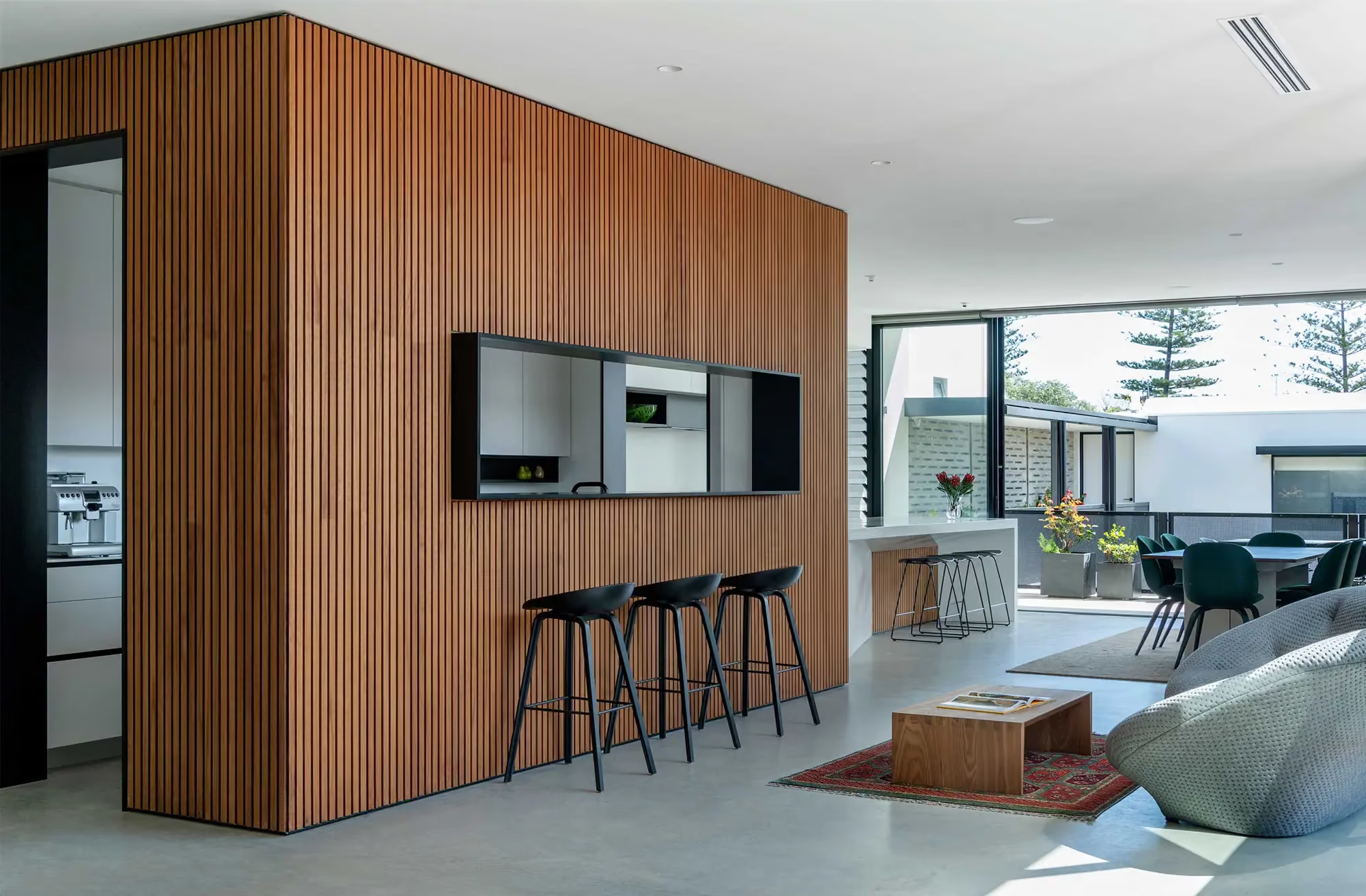
Linear timber battens create rhythm and visual depth across interiors and exteriors, commonly applied to walls and ceilings where they guide the eye and establish architectural harmony. Precision clip-in systems allow quick installation whilst hiding all fixings, delivering clean finishes without visible fastenings or marks.
This approach preserves timber's natural clarity and maintains the visual flow that defines contemporary Australian architecture.
Designers can manipulate batten spacing to control how light and shadow play across surfaces, generating dynamic effects that change throughout the day and bring character to any space. Adjusting batten thickness and profile amplifies this impact, allowing for gentle transitions or bold statements as needed.
Consistent alignment with subtle dimensional changes across walls and ceilings produces unified appearances that maintain visual flow whilst avoiding repetition. These techniques create environments that balance aesthetic structure with textural richness and architectural depth.
Concealed-Fix Cladding and Lining Boards
Concealed-fix cladding and lining boards create smooth, uninterrupted timber surfaces where the natural grain takes centre stage. Hidden fixings eliminate visible screws or nails, letting the timber's organic patterns flow seamlessly across walls and ceilings.
This approach delivers clean, contemporary aesthetics that work brilliantly in both residential and commercial projects.
Board width, edge profiles, and length variations give you precise control over texture and visual impact. Narrower widths with sharp edges create pronounced surface texture and more noticeable joints, whilst wider boards with bevelled or tongue-and-groove details minimise joint visibility for smoother expanses.
Random lengths produce dynamic surfaces with less repetition. Set lengths create orderly, rhythmic patterns that suit formal architectural applications.
These systems adapt perfectly to interior and exterior applications across Australia's diverse climate conditions. The concealed fixing method protects fasteners from weather exposure whilst maintaining the refined finish that makes timber such an appealing choice.
Whether you're cladding feature walls, lining entire rooms, or creating striking ceiling installations, concealed-fix systems ensure the timber's natural beauty remains the focal point. This approach consistently delivers the visual harmony and sophisticated finish that defines quality architectural timber work.
Engineered Panels and Laminated Elements
Engineered timber panels and laminated members play a vital role in achieving design consistency and structural performance across large-scale projects. Decorative plywood and laminated elements enable repeating grain patterns, creating visual harmony throughout expansive wall linings, ceilings, and framed assemblies.
This consistency proves essential in civic, community, and cultural spaces where continuity matters for unifying the built environment.
For structural components like columns and frames, engineered and laminated formats deliver the dimensional stability and strength required for challenging span requirements. They maintain the warmth and grain character of native timber species whilst handling demanding loads.
This approach balances material authenticity with reliable performance, combining the tactile richness and unique surface patterns of natural timber with the predictability of advanced manufacturing.
These products merge the organic intimacy of Australian species with technical reliability. The result is large public spaces and feature areas distinguished by their inviting warmth, acoustic comfort, and architectural cohesion.
Long-term durability and technical standards remain uncompromised whilst creating environments that genuinely engage people with their surroundings.
Performance Behind the Look
Performance credentials support every aspect of architectural timber design, ensuring that striking visual impact never compromises essential durability or compliance. Fire performance remains a primary concern in many public and commercial projects.
Intumescent clear coats offer protection, achieving high Group 1 fire ratings without concealing timber's grain. For specific applications, charred surfaces such as those created by shou sugi ban enhance fire resistance whilst producing a dramatic, textured finish.
Durability relies significantly on material choice. Dense native hardwoods deliver long-term stability, high wear resistance, and natural protection against decay and insects, thanks to their closed grain and extractive-rich composition.
Where lighter species are specified, thermally modified timbers provide similar longevity, with their heat treatment improving water resistance and reducing risk from moisture, movement, or biological attack.
High-traffic environments such as entries, education facilities, and commercial fitouts demand strong systems and resistant finishes. Proven coating systems, including anti-abrasion clear films, provide surface protection necessary to withstand sustained use while preserving colour richness and clarity.
Maintenance planning is integral to sustaining an intended appearance. Selection of coating systems must align with the desired patina development, cleaning protocols, and recoat intervals.
This strategy minimises visual inconsistencies, controls long-term costs, and guarantees that timber linings and claddings retain their architectural integrity for years to come.
Sustainability Choices That Shape Aesthetic Outcomes
Timber serves as a natural carbon store, capturing approximately half its dry weight in carbon throughout its service life in buildings. This quality allows timber to actively remove carbon from the atmosphere, supporting low-emission construction whilst contributing to broader climate objectives.
The result combines environmental responsibility with visual authenticity. Natural grain patterns, colour variations, and tactile surfaces tell a design story rooted in sustainability and transparency.
Choosing products with FSC or PEFC certification ensures timber has been harvested according to strict environmental and social standards. These certifications, supported by verified chain-of-custody systems, provide designers, clients, and occupants with confidence about ethical sourcing whilst helping protect global forest resources and biodiversity.
Documentation of chain of custody strengthens project due diligence and supports compliance with leading green building standards.
Local sourcing of Australian species and manufacturing reduces transport emissions and embodied impacts, promoting lower environmental footprints for domestic projects. Local procurement also enables closer quality control, improving consistency of finish and alignment with regional performance requirements.
The selection of low-VOC coatings maintains healthy indoor air quality by minimising chemical emissions whilst preserving timber's natural colour and expressive grain. This approach supports occupant wellbeing and meets green interior guidelines.
When sustainable choices across material selection, sourcing, and finishing work together, they create compelling and authentic design outcomes that benefit both people and planet.