
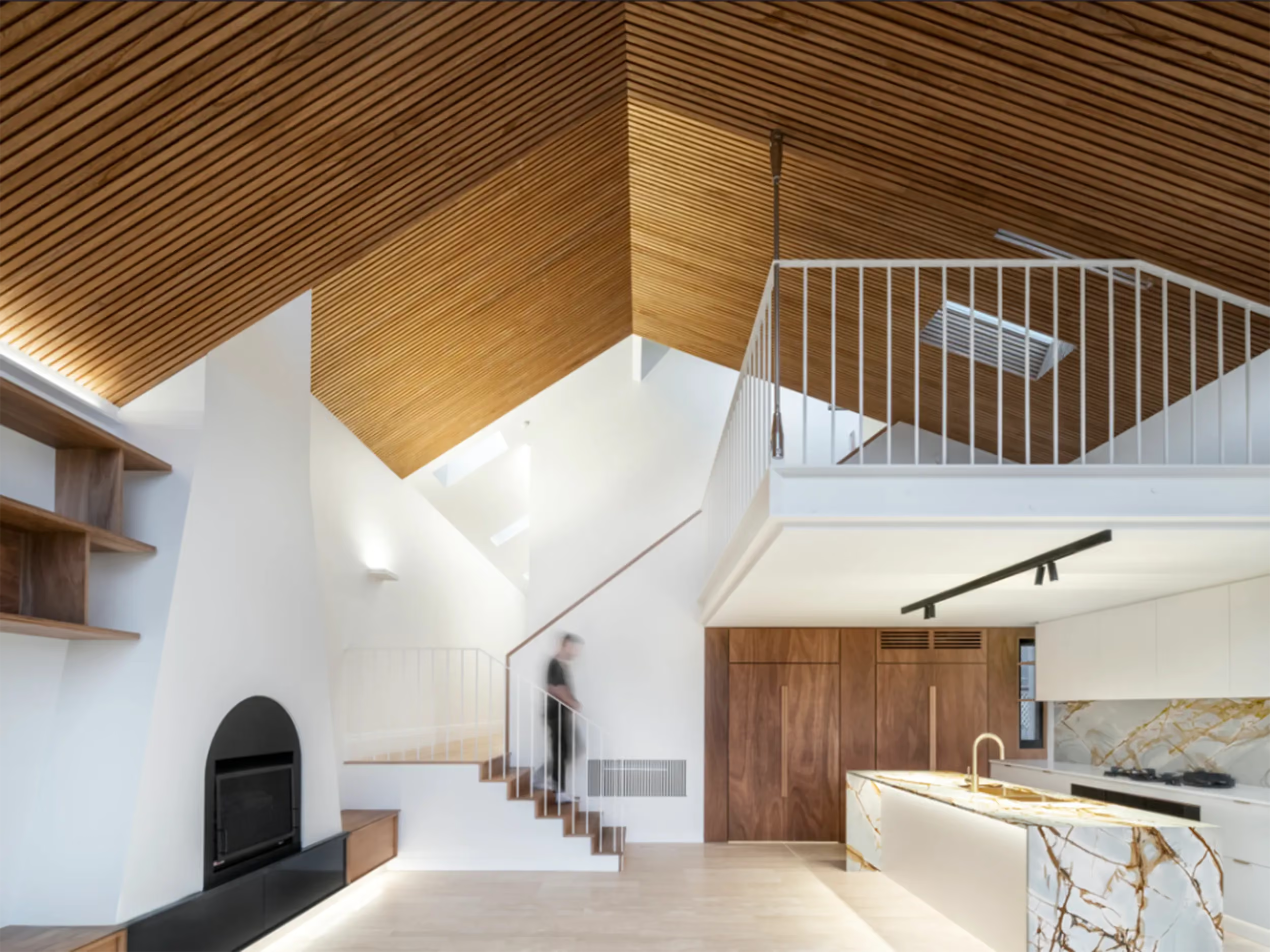
Timber in small scale Architecture
Timber is making a strong comeback in small-scale Australian architecture, and for good reason. There's something about wood that just feels right in a home - the warmth underfoot, the natural grain patterns, the way it ages gracefully over time.With over 118 workable timber species available locally, architects have incredible flexibility to match the perfect wood to their vision. Whether you're designing a compact urban extension or a garden pavilion, there's likely a species that fits both your aesthetic goals and performance requirements.
Modern timber construction has come a long way from traditional building methods. Engineered timber products and digital fabrication now allow for precise, prefabricated components that arrive on site ready to install. This means faster builds, less disruption to neighbours, and lighter structures that work particularly well for smaller projects.
From an environmental perspective, timber ticks important boxes. It stores carbon as it grows and typically requires far less energy to process than alternatives like steel or concrete. The practical benefits extend beyond sustainability too. Timber naturally insulates and dampens sound, which is why you'll often see timber linings and acoustic panels in quality homes. These properties help create comfortable, energy-efficient spaces without relying heavily on mechanical systems.
Timber choices for small-scale architecture
Solid timber and species selection
Australia offers an impressive range of solid timber species, each with its own character in colour, grain, and texture. The choice of finish can dramatically change the look - natural oils highlight the wood's inherent beauty, stains add depth and richness, while paints provide uniform coverage and extra protection.
Getting the species and treatment right for your specific project is crucial. Some timbers naturally resist water, rot, or insect damage, whilst treated options boost durability and reduce movement from humidity changes.
This becomes particularly important for moisture-prone areas or exposed applications like external cladding, interior linings, and detailed exterior work. If you're building in bushfire-prone areas, selecting species classified as bushfire-resisting timber is essential to meet Australian building requirements. Working with experienced architectural timber suppliers in Perth ensures you get expert guidance on species selection for your specific project needs.
Smart species selection delivers both visual appeal and long-term performance. It's about finding that sweet spot where your timber choice looks great and handles Australia's diverse climate conditions with confidence.
Construction efficiency and site benefits
Prefabricated timber components arrive at site ready for swift, accurate installation, significantly reducing construction time. Because they're lightweight and precisely made, assembly usually requires fewer heavy lifts and less machinery on site, improving safety for installers and limiting the disruption often caused by cranes and large vehicles.
This is ideal for small-scale residential projects in established neighbourhoods, where minimising noise and site traffic is a priority.
Timber's workability means components can be easily cut, shaped, and adjusted on site, improving adaptability if minor design changes arise during construction. For small builds where client-driven refinements are common, this flexibility can shorten turnaround times and avoid costly demolition or rework.
Advances in digital design and CNC technology have further supported these efficiencies. Accurate digital modelling allows each timber component to be produced with tight tolerances, ensuring a perfect fit during installation.
CNC machining enables mass customisation without manual retooling, making custom detailing viable even on small projects with limited timeframes. These workflows allow for consistent quality and streamlined site operations, helping to deliver custom architectural outcomes on programme and within budget.
Performance essentials
Fire and bushfire design
While timber is inherently combustible, it can reliably meet stringent fire performance criteria with proper design and protection techniques. Advanced detailing, careful species selection, and protective linings all contribute to elevating timber's fire resistance.
Recent updates to the National Construction Code significantly broaden the use of fire-protected timber systems, allowing their use in taller buildings and a wider range of settings, including schools, retail environments, hospitals, and aged care. This regulatory recognition shows growing confidence in engineered timber as a safe and dependable choice.
For projects in bushfire-prone regions, Australian Standards set out requirements for materials and detailing to minimise risk. Specifying bushfire-resisting timber species and following correct installation details is critical to achieving compliance in these locations.
Attention to gaps, vents, and penetrations safeguards the structure further. By working within established regulatory frameworks and choosing suitable species, timber elements such as cladding and interior linings can successfully contribute to resilient, fire-safe architecture in Australia.
Durability, moisture and movement
Getting your timber species and treatment right is crucial for long-term performance against moisture, rot, and insects. Some species naturally handle harsh weather and water exposure brilliantly, making them perfect for external cladding and linings that cop the full brunt of Australia's conditions.
Other timbers need preservative treatments to boost their water resistance and extend their life in damp environments. Species with built-in resistance to rot and pests cut down the risk of structural or visual damage down the track.
Movement is another key factor you can't ignore. Timber naturally expands and contracts with humidity and temperature changes, so your detailing needs to account for this.
Your assemblies must allow for minor movement to prevent warping, splitting, or unsightly gaps appearing in boards and trims. Smart spacing, choosing the right fasteners, and thoughtful joinery design help timber products like lining boards, shiplap profiles, and shadow lines maintain their integrity as site conditions change.
Good detailing and species selection protect both looks and structural performance. This ensures your architectural timber products work as intended whilst keeping their visual appeal for years to come.
Acoustics and thermal comfort
Timber naturally excels at creating comfortable indoor environments through its acoustic and thermal properties. The material absorbs and diffuses sound rather than simply bouncing it back, which reduces that harsh echo you get in rooms with lots of hard surfaces.
This gentle resonance means conversations stay clear and background noise feels less intrusive. It's particularly noticeable in compact spaces where every surface counts for acoustic comfort.
From a thermal perspective, timber acts as a natural insulator thanks to its low thermal conductivity. Heat moves through it slowly, which helps maintain steady indoor temperatures without overworking your heating or cooling systems.
Well-designed timber linings, ceiling panels, and wall systems can form part of a broader strategy for year-round comfort. This reduces your reliance on mechanical systems and supports energy-efficient building performance.
The combination of better acoustics and thermal stability makes timber an excellent choice for creating pleasant, liveable spaces that feel comfortable from the moment you step inside.
Lightweight structure and foundations
Softwoods used in engineered timber products weigh about 20% as much as concrete. This consistently lighter structural weight delivers real advantages for foundation design in small-scale projects.
With a strength-to-weight ratio up to 20% higher than steel and four to five times higher than non-reinforced concrete, engineered timber allows you to achieve strong, lightweight structures. The reduction in overall building mass means foundations can often be smaller, requiring less excavation and concrete.
On sites with limited access or challenging ground conditions, lighter loads mean more adaptable solutions. This makes construction easier and helps keep costs down.
For projects on tight urban sites or reactive soils, being able to reduce foundation size plays a significant role in creating efficient, buildable designs. The weight savings from timber construction can transform what's possible on difficult sites, making previously challenging projects much more viable.
Applications that shine at small scale
Timber's versatility makes it perfect for small-scale architecture, supporting both practical needs and visual appeal across different applications. Externally, timber decking and cladding deliver durable weathering or dramatically coloured finishes that mature beautifully over time.
Small pavilions clad in timber adapt gracefully to outdoor conditions, either blending into natural surroundings or making a statement with vivid stained or painted treatments.
Inside, timber ceiling linings, wall panels, joinery, and furniture add warmth whilst delivering significant acoustic improvement. These qualities are highly valued in compact homes where every surface matters.
Acoustic panels and designer lining boards help absorb and diffuse sound, whilst the rich textures and tones of solid and engineered timbers enhance the overall atmosphere. You'll notice the difference immediately in how conversations sound clearer and background noise feels less intrusive.
Structurally, engineered solutions such as GLT and LVL beams or modest spans in panelised floors and walls using CLT allow for rapid assembly and strong performance. These materials can be customised to suit short spans in small projects, supporting quick and efficient construction without compromising strength.
Timber's natural appearance offers clear biophilic benefits too. The interplay of colour, grain, and texture brings a sense of the outdoors inside, visually expanding limited spaces and supporting wellbeing.
In compact rooms, this connection to nature helps create environments that feel open, refined, and harmonious. It's why so many people instinctively feel more comfortable in timber-lined spaces.
Specification and detailing guidance
Finishes and protection
Choosing the right finish for your timber directly impacts both appearance and durability. Some projects embrace natural weathering, allowing timber to silver and develop character over time. This delivers a low-maintenance, organic result that changes with the seasons.
Alternatively, stains, oils, and paints control final colour or highlight grain patterns whilst adding protective barriers against weathering, moisture, and UV exposure. The choice between leaving timber untreated or applying finishes should consider your specific species, exposure levels, and maintenance preferences.
External applications like cladding, linings, and trims in exposed locations often benefit from finishes that offer enhanced protection and colour stability. For interiors, oils and clear finishes bring out natural texture, supporting both visual and tactile appeal.
Lining the maintenance schedule up with your chosen finish and timber species is essential. High-exposure areas typically require reapplication at set intervals to preserve protection and appearance, whilst less exposed interiors may need only occasional upkeep.
The maintenance cycle should reflect your expectations for long-term appearance, balancing natural timber character with practical durability. Getting this balance right means your timber elements will continue performing and looking good for years to come.
Fixings and interfaces
Modern fixing systems are essential for achieving professional timber installations with speed and precision. Contemporary concealed fasteners streamline site assembly and support clean, minimalist detailing with sharp shadow lines and unbroken surfaces that showcase timber's natural beauty.
These systems cut installation time and reduce labour requirements, which proves particularly valuable in small-scale projects where high finish standards and minimal site disruption matter most.
Proper ventilation and drainage behind all cladding systems, including linings and wall panels, is absolutely critical. Your detailing must allow for adequate airflow and water runoff to prevent moisture build-up and ensure long-term performance.
Spacing, batten selection, and gap allowances all contribute to system performance. Well-considered junctions and movement joints accommodate timber's natural expansion and contraction as temperature and humidity levels fluctuate.
These principles apply equally to shiplap profiles, designer lining boards, and trims. Each element needs to maintain stability and integrity over time without compromising visual quality or function.
Getting the interfaces right between different timber elements creates seamless transitions that look purposeful rather than accidental. This attention to detail separates amateur installations from professional results.
Industry and approvals landscape
Recent updates to national building codes now allow Deemed-to-Satisfy pathways for fire-protected timber construction across a wider range of building types and up to 25 metres in height. This significant regulatory shift means projects such as schools, retail, hospitals, and aged care can now utilise fire-managed timber systems without the need for complex performance-based solutions.
This increases approval certainty for designers and developers using architectural timber linings and claddings. It's a game-changer for the industry.
Within Australia, new production facilities and growing demand are strengthening the local capacity for engineered timber. As expertise and supply chains develop, there's potential for cost reductions, even in regions where distance from traditional manufacturing centres was once a barrier.
This improved supply environment supports the broader use of timber-based products like acoustic panels, shiplap profiles, and designer linings. They're becoming a more accessible and viable solution for contemporary Australian projects of all scales.