
How to Install Timber Feature Walls That Actually Look Professional
Why Timber Lining Boards Make Standout Feature Walls
A timber feature wall is a deliberately crafted surface that stands apart from the rest of a room, instantly drawing the eye and creating visual interest. It adds depth and texture whilst bringing warmth and a natural element to any residential or commercial space.
Timber lining boards offer incredible versatility in aesthetics. You can achieve anything from classic weatherboard looks to contemporary three-dimensional arrangements that really make a statement.
The natural grain and subtle variations mean each installation is genuinely unique. Plus, there's something about the tactile quality of timber that enhances the sensory experience of being in the space.
Durability is another major advantage. When properly finished and maintained, timber lining boards handle everyday wear brilliantly, making them perfect for high-traffic areas where you need lasting value.
Timber also contributes to energy efficiency as a natural insulator. It helps regulate indoor temperatures by reducing heat transfer, which supports overall comfort and can improve a building's energy performance.
Beyond the practical benefits, timber feature walls create a strong visual connection with the outdoors. Using natural materials fosters a calming atmosphere and links interior spaces to Australia's stunning landscapes.
This combination of design flexibility, durability, practical performance and biophilic appeal explains why timber lining boards remain such a popular choice for creating standout feature walls.
Plan the Wall: Purpose, Placement and Proportions
When planning a timber feature wall, start by selecting a wall that already enhances or frames the room's main focal point. This maximises the visual impact of your installation.
Clearly define what you want the feature wall to achieve from the outset. Whether you're showcasing artwork, introducing texture, or influencing how the room flows, having a clear purpose guides every design decision you'll make.
The orientation of your lining boards dramatically affects how people perceive the space. Running boards vertically makes ceilings appear higher and rooms feel more open. Horizontal orientation can make narrow spaces feel wider.
Consider how natural and artificial light will interact with your timber choice. Lighter finishes bring airiness and help smaller rooms feel more spacious. Darker finishes add drama and create intimate atmospheres, perfect for reading nooks or statement areas.
Pay careful attention to transitions and joinery details. Integrated trims, shiplaps or concealed joinery provide clean, streamlined finishes. These approaches also allow for clever features like hidden doors or built-in cabinetry.
Lining boards can articulate recesses, subtly zone open-plan spaces, or visually connect different functional areas. When you consider each of these elements thoughtfully, your feature wall delivers both strong visual impact and practical functionality.
Select Materials, Profiles and Finishes
Choosing the right material, profile and finish determines whether your timber feature wall becomes a genuine showstopper. Premium timber species like Western Red Cedar and Hemlock are prized for their refined appearance and workability, making them excellent choices for both commercial and high-end residential projects. Working with experienced architectural timber suppliers in Perth ensures access to quality materials and expert guidance for your project.
Your profile selection shapes the textural qualities and visual depth of the surface. Fin profiles, whether square or tapered, create defined rhythm and slender shadow lines that give the wall a sculptural quality.
Flat profiles deliver a classic, broad-grain effect and work beautifully as a canvas for the timber's natural tones or applied finishes. For a more dynamic, three-dimensional look, you can combine fin and flat profiles in alternating arrangements, adding layers of interest and tactile appeal.
Spacing and rhythm significantly influence the final impression. Uniform gaps between elements create a clean, consistent appearance, while varying the spacing or mixing profiles produces a custom, multi-textured design that becomes a signature feature.
Profiles and spacing can be adapted to suit curved or irregular surfaces, giving you even more design flexibility.
The finish you choose directly influences both mood and functionality. Untreated or clear finished timber showcases natural variation and grain beautifully. Coloured coatings offer precise control over aesthetics and durability.
Charred finishes, inspired by the Japanese Shou Sugi Ban technique, create a bold blackened effect that enhances weather resistance and longevity. This makes them particularly compelling for modern Australian interiors.
Your system type should align with installation requirements and the intended visual outcome. Options include lining boards for seamless expanses, acoustic panels for noise control, and decorative battens for bold linearity.
Installation methods, such as concealed fixing or click-in technologies, ensure a crisp result while accommodating natural timber movement. Carefully matching materials, profiles, finishes and system type ensures a feature wall that's as durable and functional as it is stunning.
Design Directions That Elevate Timber Feature Walls
Light, Airy and Coastal
For that quintessential light, airy, and coastal feel, go with blonde timbers or pale-toned finishes on your lining boards. These lighter surfaces bounce natural light around the room beautifully, instantly making spaces feel bigger and breezier.
This approach works particularly well in Australian homes where capturing and maximising daylight is often a priority.
Choose flat profiles with clean, simple detailing to keep things uncluttered. This lets the timber's natural grain and gentle colour variations shine through without competing for attention. The result is a relaxed, calming aesthetic that never feels busy or overwhelming.
These understated flat boards create the perfect backdrop for that tranquil coastal mood. They're ideal for living areas, bedrooms, and open-plan spaces where you want to foster a sense of calm and spaciousness.
Pair your timber choices with plenty of natural light and neutral accents to complete that inviting, coastal-inspired atmosphere.
Bold and Dramatic
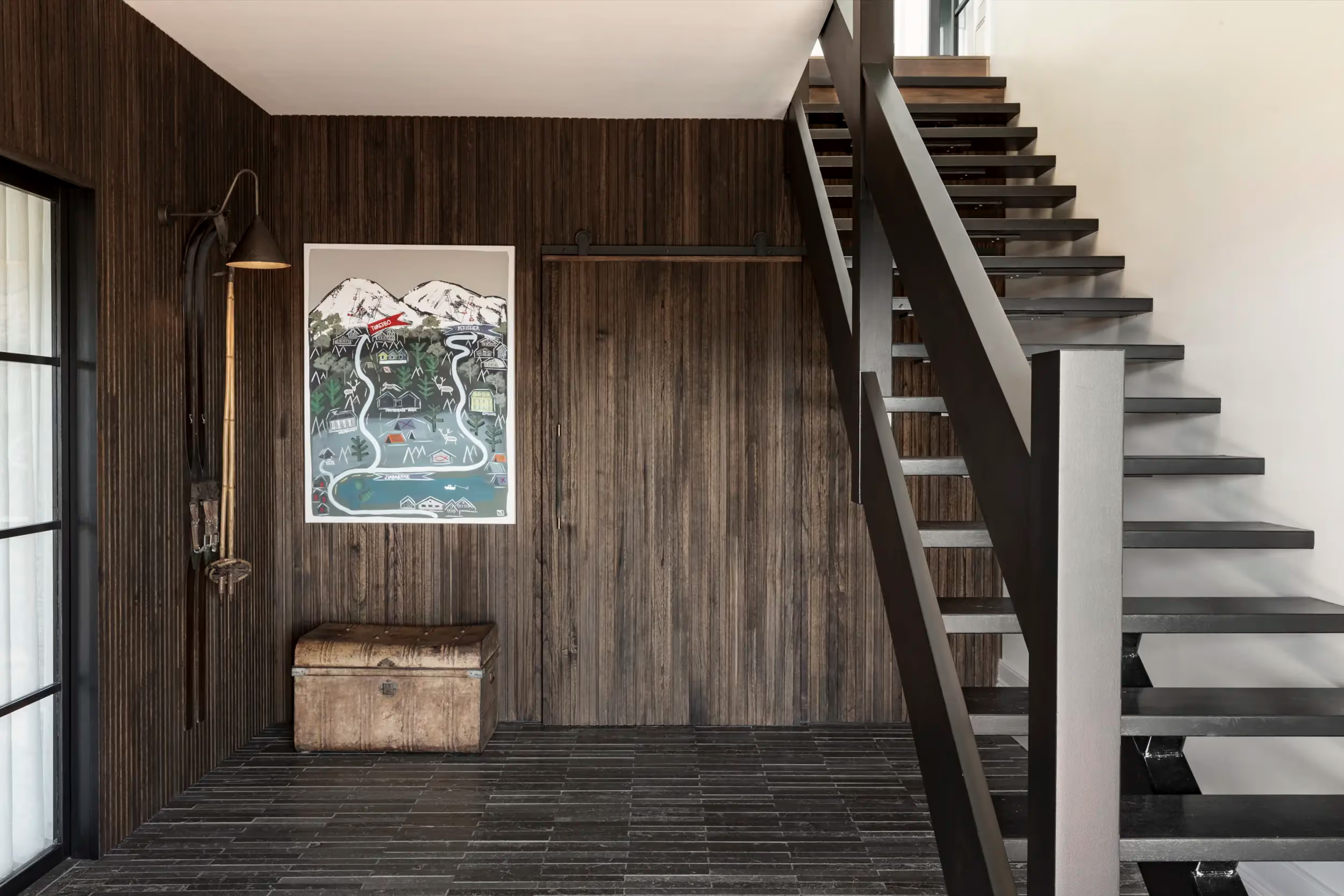
Deep and dark timber tones instantly create bold, high-contrast feature walls that anchor a room and command attention. Rich walnut, smoky ash, or ebonised finishes bring depth and a contemporary edge to both residential and commercial interiors.
These moody timber installations elevate a room's atmosphere and work particularly well in living rooms, dining zones, or private studies where you want to create elegance with real impact.
For a truly striking black profile, consider charred timber finishes inspired by the traditional Shou Sugi Ban method. This technique involves charring the wood's surface, producing a deep carbon-black visual effect whilst adding natural durability against wear and moisture.
The charred texture introduces visual interest and a tactile element that's perfect for feature walls designed as focal points.
These dramatic styles pair beautifully with architectural lining boards, shadow line profiles or decorative battens. This gives you the freedom to experiment with texture and dimensionality in ways that really make a statement.
Whether you're covering an entire wall or creating a statement recess, bold and dramatic timber tones transform interiors into spaces that feel both modern and timeless.
Height, Rhythm and Shadow
Running lining boards vertically provides a straightforward way to make ceilings feel higher and walls appear visibly elongated. This design trick makes compact or standard-height rooms seem significantly more expansive, which is especially valuable in residential spaces where you want to maximise a sense of openness.
Opting for a vertical arrangement is also effective for drawing the eye upwards, adding an architectural lift without altering the room's structure.
Integrating fin profiles into your feature wall design introduces depth and a measured sense of rhythm. Fins create defined shadow lines and a cadence across the surface, contributing to sophisticated visual texture that changes with the light.
These refined shadow lines add a layer of architectural precision, enriching the wall's appearance. The interplay between profile, spacing, and natural or artificial lighting allows you to modulate the wall's impact.
This gives the space dimension and visual dynamism whilst maintaining a clean and elegant finish.
Mixed Materials and Focal Zones
Combining timber with metal accents or natural stone brings a refined industrial edge that feels both modern and timeless. Steel trims, brass inlays, or stone reveals against timber create striking visual layers without overwhelming the wood's natural warmth.
This balanced approach works brilliantly in both residential and commercial projects where you want urban sophistication with authentic character.
Timber-lined recesses and alcoves offer an elegant way to frame cabinetry, entertainment systems, or architectural niches. Clad just the interior surfaces of a recess with lining boards or decorative battens, and you instantly create depth whilst zoning different areas.
This technique shines in living rooms, kitchens, or ensuites, adding structure while making storage or display areas genuinely engaging.
For maximum visual impact, let your timber feature wall anchor a key element like a bedhead, fireplace, or dining banquette. Keep surrounding finishes understated so the feature wall becomes the room's primary statement.
Simple cream or neutral timber linings add luxury and calm. Integrate complementary materials nearby to elevate the focal zone further, creating distinctive yet cohesive interior schemes that feel thoughtfully composed.
3D Texture, Curves and Continuity
Mixing different profiles creates walls with layered, multi-textured surfaces that deliver serious visual depth. Pairing fins with broad, flat sections produces a dynamic, faceted effect where crisp shadow lines punctuate wider planes of timber grain.
This interplay of shapes and depths enhances tactile interest and transforms the wall from simple cladding into a genuine design feature.
For greater sculptural impact, try introducing fin-combo arrangements or applying timber profiles to curved surfaces. This generates a wave-like movement across the wall that adds motion and increases the three-dimensional effect, especially under directional or natural lighting.
These applications work brilliantly for creating strong architectural statements in feature lobbies, reception zones, or residential entries where first impressions count.
Continuity comes from extending timber panelling seamlessly across adjacent planes. Wrap from wall to ceiling or carry the timber across corners to strengthen the visual connection between surfaces.
This technique promotes unity and flow throughout the space. Carrying timber across these boundaries also enhances biophilic connection, reinforcing the natural element in interiors and supporting a calming, holistic atmosphere that aligns perfectly with contemporary Australian design trends.
Installation Approaches and Practicalities
Fixing Systems and Buildability
Clip-in and fitting systems have revolutionised how timber feature walls are installed, enabling significantly faster and cleaner construction. The process begins by securely fixing trims and rails to the wall framework.
Timber slats, lining boards, or acoustic panels are then simply clipped or slotted into these mounting points. This approach reduces visible fixings and creates a much cleaner visual result.
Concealed-fix options and click-in battens ensure a polished look by hiding all fasteners behind the timber surface. These systems also accommodate controlled movement, which is crucial for natural timber in Australia's variable climate conditions.
This flexibility helps prevent issues from expansion and contraction, preserving both the integrity and appearance of your finished wall over time.
Prefabricated timber panels further streamline the installation process, offering consistent spacing and precise alignment with minimal on-site adjustments. With panelised solutions, project timelines can be significantly reduced.
Complex design visions become much more achievable too. Whether you're incorporating different textures, shadow lines, or colour treatments, these systems deliver reliable, repeatable results.
These modern fixing and buildability solutions enable impressive feature walls with less downtime, cleaner finishes, and flexibility for a broad range of architectural effects.
Where and How to Use Lining Boards
Lining boards work brilliantly across countless internal applications, offering flexibility that suits both new builds and renovation projects. Feature walls remain a favourite choice, bringing instant depth, warmth, and visual texture to living rooms, bedrooms, hallways, and connecting spaces.
The beauty of timber lining lies in its straightforward installation. You can fix boards directly over existing plasterboard or masonry surfaces with minimal fuss, which means updating rooms without major disruption to daily life.
Ceilings present another fantastic opportunity for lining boards. Timber-clad ceilings can either complement existing feature walls or stand alone as striking design elements, creating unity and visual flow throughout your space.
Running boards vertically on walls whilst matching the ceiling treatment amplifies the sense of height and openness. This makes rooms feel significantly more airy and spacious, particularly valuable in Australian homes where maximising interior volume matters.
Timber also contributes meaningfully to acoustic quality. Certain profiles help soften sound and reduce echo, making lining boards perfect for open-plan layouts, home offices, and living zones where both visual appeal and comfortable sound levels count.
These combined benefits explain why lining boards suit such diverse applications, from intimate residential spaces to larger commercial environments where atmosphere and functionality both matter.
Orientation, Spacing and Finish Choices
The orientation of timber lining boards fundamentally shapes how a feature wall influences room perception. Vertical boards visually heighten walls, creating the impression of taller ceilings and a more expansive space. This works brilliantly for compact Australian interiors or rooms where lightness is essential.
Horizontal board placement accentuates width instead, grounding larger rooms and enhancing a sense of calm.
Spacing technique drives the wall's overall effect. Uniform, even spacing delivers order and regularity, achieving a classic or contemporary look that feels purposeful and harmonious.
Varied spacing introduces custom rhythm and patterning. Alternating gap widths, mixed depths, or staggered placements craft visual interest and movement within the surface.
The finish and coating selections determine both mood and longevity. Natural or clear finishes highlight the timber's texture and grain, letting the material's true character show through.
Coloured stains or finishes control the final hue and modulate sheen. You can choose from matt, low-glare surfaces ideal for subtle, contemporary spaces to higher gloss finishes that reflect light and intensify depth.
All finishes enhance tactile qualities while offering project-specific levels of protection.
Selecting orientation, spacing, and finish together creates a feature wall that transforms interiors, supporting architectural intent. Whether you're after striking drama, subtle texture, or that signature Australian indoor-outdoor connection, these three elements work in harmony to deliver your vision.
Performance, Sustainability and Longevity
Timber sourced from responsibly managed forests directly supports sustainable building objectives, making it an excellent choice for architects prioritising environmental responsibility. Using certified timber supports forest regeneration and reduces dependence on non-renewable materials.
Timber lining and cladding deliver impressive functional benefits alongside their visual appeal. When properly installed, these products enhance insulation performance, helping interiors maintain stable temperatures and contributing to energy-efficient buildings.
This thermal efficiency reduces energy consumption for heating and cooling, which matters increasingly in Australia's diverse climate conditions.
Durability remains essential for feature walls and ceilings. Precision-milled timber boards, decorative beams, and well-engineered systems featuring concealed fixings ensure installations handle everyday use whilst maintaining their appearance over time.
Finishes like traditional charring provide dramatic aesthetics and increase the timber's resistance to moisture and surface wear, resulting in lower maintenance requirements.
Selecting proven timber species and construction systems ensures long-term reliability. Choosing hardwoods or thermally modified pines, combined with installation details suited to Australian conditions, balances design vision, performance, and cost effectively.
This approach guarantees that timber features continue to deliver quality and structural integrity well into the future.