
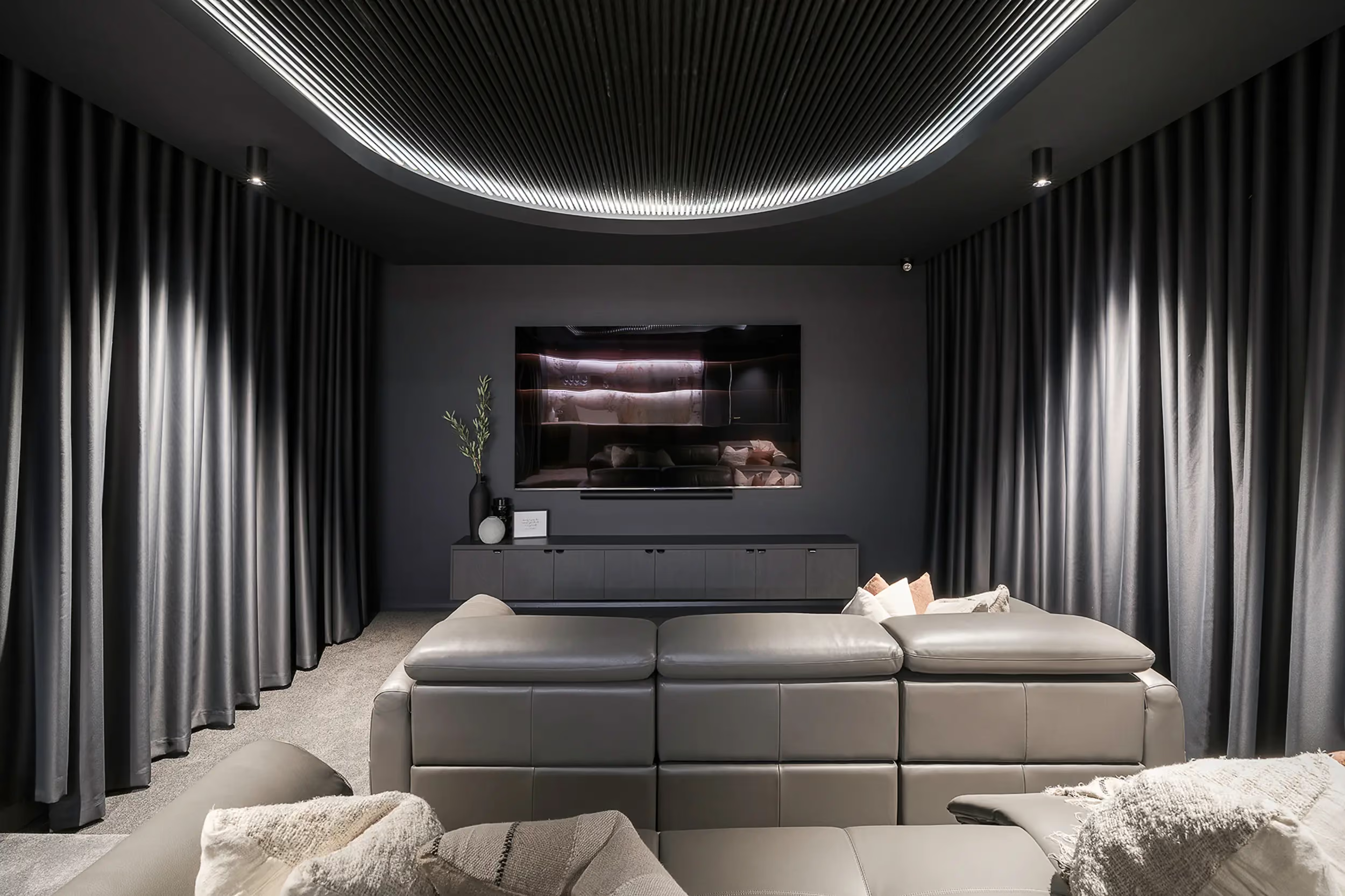
How to get cinema quality sound in your home theatre
Why Acoustic Boards Belong in Your Home Theatre
Your home theatre's sound quality depends heavily on how sound waves behave in your space. Hard surfaces like walls and ceilings create unwanted reflections that muddy dialogue and distort bass frequencies.
Acoustic boards solve these issues by absorbing excess sound energy and controlling reverberation. The result is crisp dialogue, balanced bass response, and a more immersive viewing experience. Think about it: you've invested in quality speakers and a great display, but without proper acoustic treatment, you're only getting half the performance. Sound waves bouncing off bare walls create standing waves that make certain frequencies louder whilst others get lost entirely.
Modern acoustic panels integrate seamlessly with Australian home design. They're available in timber finishes and fabric options that complement your existing décor rather than dominating it. The investment is relatively modest compared to other home theatre upgrades, yet the improvement in sound clarity is immediately noticeable. Your favourite films will sound more dynamic, with clearer separation between instruments in soundtracks and dialogue that cuts through without strain.
How Sound Behaves in a Home Theatre
Sound waves from your speakers bounce off every surface in your theatre room. Walls, ceilings, floors, and furniture all reflect these waves back into the space. In smaller rooms, this creates a cascade of reflections that keep bouncing around. The result is reverberation that makes dialogue sound muddy and standing waves that either boost or cancel certain bass frequencies.
Your room's shape and size determine which frequencies get affected most. Some bass notes become overpowering whilst others disappear entirely, creating an uneven listening experience. These reflections also shift the frequency balance throughout the room. High frequencies can sound sharp and harsh, whilst bass becomes boomy or unclear. Dialogue gets lost in the mix, making conversations hard to follow.
The materials in your space play a crucial role here. Hard surfaces like plasterboard and glass create strong reflections, whilst timber linings and soft furnishings help absorb some of this excess energy. Getting the acoustics right means controlling these reflections without deadening the room completely. The goal is maintaining the natural warmth and presence of your audio system whilst eliminating the unwanted echoes that muddy the sound.
Acoustic Boards Explained: What They Are and How They Work
An acoustic board is a sound-absorbing panel that manages your space's acoustics by reducing unwanted noise and echoes. These boards use soft, porous materials that absorb sound energy as it passes through, effectively decreasing the intensity of reflected noise.
For more advanced control, slotted, grooved, or perforated surfaces scatter and diffuse sound waves whilst maintaining natural ambience in the room. This prevents your theatre from sounding overly dead or clinical.
In home theatre applications, acoustic panels serve two crucial roles. Absorptive panels target echoes and excessive reverberation by soaking up stray sound waves, which results in clearer dialogue and more accurate sound reproduction.
Diffusive panels, often enhanced with grooves or perforations, break up direct sound reflections to prevent dead spots or imbalances. This ensures even and immersive sound experience throughout your space.
The effectiveness of an acoustic panel is communicated using the Noise Reduction Coefficient (NRC) rating. The NRC measures the proportion of sound that a panel absorbs; for instance, a rating of 0.8 means that the material absorbs 80 percent of sound energy that hits it, whilst the remaining 20 percent is reflected.
For best results in your home theatre, selecting panels with higher NRC ratings provides better control over reverberation and enhances overall listening comfort.
Choosing the Right Boards for Your Cinema RoomAbsorbers for Mid and High Frequencies
When it comes to controlling flutter echo and managing reflections in the speech frequency range, absorptive panels are your most reliable solution. Fabric-wrapped mineral fibre boards, PET acoustic panels, and acoustic foam excel at mid and high-frequency absorption.
These materials capture airborne sound waves before they can bounce off hard surfaces. This prevents the muddy dialogue and harsh reflections that plague many home theatres.PET acoustic boards and acoustic foam panels are particularly popular choices for Australian home theatres. They typically achieve Noise Reduction Coefficient (NRC) ratings between 0.70 and 0.90, meaning they absorb 70 to 90 percent of sound energy that hits their surface.
This level of absorption dramatically reduces residual echo and excessive reverberation. You'll notice clearer dialogue and better sound separation across all frequency ranges.Strategic placement matters enormously here. Mount these panels in arrays on your side and rear walls, and include ceiling coverage where possible. This creates uniform control across your listening area without making the space feel sterile or overly dampened.
Group your panels rather than scattering them individually across the room. This concentrated approach delivers more effective coverage whilst maintaining targeted absorption zones. You can manage the room's ambience without over-treating it and losing that natural liveliness essential for dynamic soundtracks.
This grouping approach also works beautifully with the architectural elements commonly found in Australian home theatres. The panels complement timber linings and other wall treatments, creating a cohesive design that performs as well as it looks.
Bass Control and Low‑Frequency Management
Bass frequencies accumulate in corners and along room boundaries, creating boomy or uneven low-end response. In most home cinemas, this makes bass effects sound muddy rather than tight and controlled.
Bass absorbers solve this issue effectively. These specialised panels use high-density acoustic materials that capture low-frequency energy, something regular mid and high-frequency panels simply can't handle.
Installation position makes all the difference here. Place bass absorbers in corners and along rear walls where low-frequency pressure builds up most. The thicker construction and denser materials give these absorbers the mass needed to control stubborn bass frequencies.
Your acoustic treatment needs this complete approach. Combining substantial bass absorption with regular panels for mid and high frequencies creates even sound control across all frequencies.
The result is bass that hits with impact but stays clean and controlled. Low frequencies blend naturally with crisp mids and highs, giving you that balanced, immersive experience that makes every film soundtrack come alive.
This comprehensive frequency management fits beautifully with contemporary Australian home cinema design. You get professional-level sound performance that complements your space rather than overwhelming it.
Diffusion with Timber Slats and Perforated Boards
Timber slats and perforated boards scatter incoming sound waves throughout your space rather than creating harsh reflections. Instead of allowing strong echoes to build up, these surfaces break up sound energy and create a more balanced acoustic environment.
This approach keeps your room lively and natural, avoiding that overly quiet or sterile feeling that heavy absorption can create.
Adding a scrim or insulation layer behind timber slats or perforated panels boosts their performance significantly. Scrim, typically a light fabric, and insulation materials like acoustic foam or mineral wool capture extra sound energy that passes through the panel gaps.
This combination gives you enhanced absorption for better reverberation control whilst preserving the beneficial scattering properties of the patterned timber surfaces. Slatted and perforated timber panels deliver impressive visual impact alongside their acoustic benefits. The rhythmic lines and perforation patterns add texture and dimension to walls and ceilings, perfectly matching contemporary Australian design preferences.
This dual functionality makes timber acoustic solutions both practical and attractive for home theatres and living spaces where performance and style matter equally. Working with architectural timber specialists in Perth ensures you get the highest quality materials and professional installation for optimal acoustic and aesthetic results.
Sound Isolation vs Room Treatment
Sound isolation and room treatment tackle completely different issues in your home theatre. Understanding this difference helps you get the best performance from your investment.
Sound isolation stops noise moving in and out of your space. This matters when you need to keep film soundtracks from disturbing family members upstairs or prevent street noise from ruining quiet dialogue scenes.
Mass Loaded Vinyl behind your walls and ceilings creates this barrier during construction or renovation. Available in different thicknesses, it blocks anywhere from 27dB to 65dB of airborne sound depending on your specific setup.
Room treatment works inside your theatre once you've sealed it from external noise. This involves managing how sound behaves within the space itself.
Acoustic panels absorb excess reflections that muddy dialogue. Timber diffusers scatter sound waves to prevent harsh echoes whilst maintaining natural room ambience. Bass traps control low-frequency buildup in corners where boomy bass typically accumulates.
Successful home theatre design requires both approaches working together. Install your isolation layer first to block unwanted external noise. Then add acoustic panels, timber slats, or perforated linings to optimise the sound quality inside your sealed space.
This layered approach delivers true cinema-quality results. You get the privacy you need without compromising the immersive audio experience that makes great home entertainment possible.
Where to Place Acoustic Boards in a Home Theatre
Getting acoustic board placement right is crucial for optimal sound in your home theatre. Start by identifying first reflection points on your side walls and ceiling.
Position absorptive panels at these critical spots to sharpen imaging and make dialogue clearer. This stops the initial sound reflections that muddy what you're hearing.
For side and rear walls, arrange panel arrays to control later-arriving reflections. Adding continuous coverage along these surfaces improves sound consistency throughout the room. C
eiling acoustic battens or suspended clouds with suitable backing further control overhead reflections. This reduces echo whilst preserving clarity from your surround setup.
Treat the rear wall with absorptive panels or diffusion techniques to manage late reflections that introduce echoes or blur effects. This enhances the surround experience without adding unwanted muddiness.
Install bass control in room corners and along the rear wall to contain low-frequency buildup. This creates tighter, more balanced bass response that doesn't overpower dialogue.
If your home theatre sits close to circulation areas like stairs or hallways, consider extending panel treatment into these spaces. Panels in these locations reduce noise spill, increasing privacy and comfort both inside and outside the theatre.
Strategic placement across all these zones achieves balanced acoustics that lets your system perform at its best.
Complementary Elements that Support Acoustic Boards
Getting the most from your acoustic boards means thinking beyond just wall and ceiling panels. Soft furnishings throughout your home theatre work alongside your panels to create even better sound control.
Carpets, rugs, curtains, and upholstered seating all absorb stray sound energy that panels might miss. This layered approach becomes particularly important in open-plan layouts or rooms with lots of hard surfaces like polished concrete or large windows.
Your acoustic panels handle the primary sound control, whilst these softer elements catch the remaining reflections. Together, they prevent sound from bouncing around and building up into unwanted noise.
The combination delivers much more consistent results across your entire listening area. You'll notice clearer dialogue, better bass control, and that immersive sound quality that makes every film soundtrack come alive.
This integrated strategy works brilliantly in contemporary Australian home design. Your acoustic treatment becomes part of a complete interior approach that balances performance with comfort and style.