
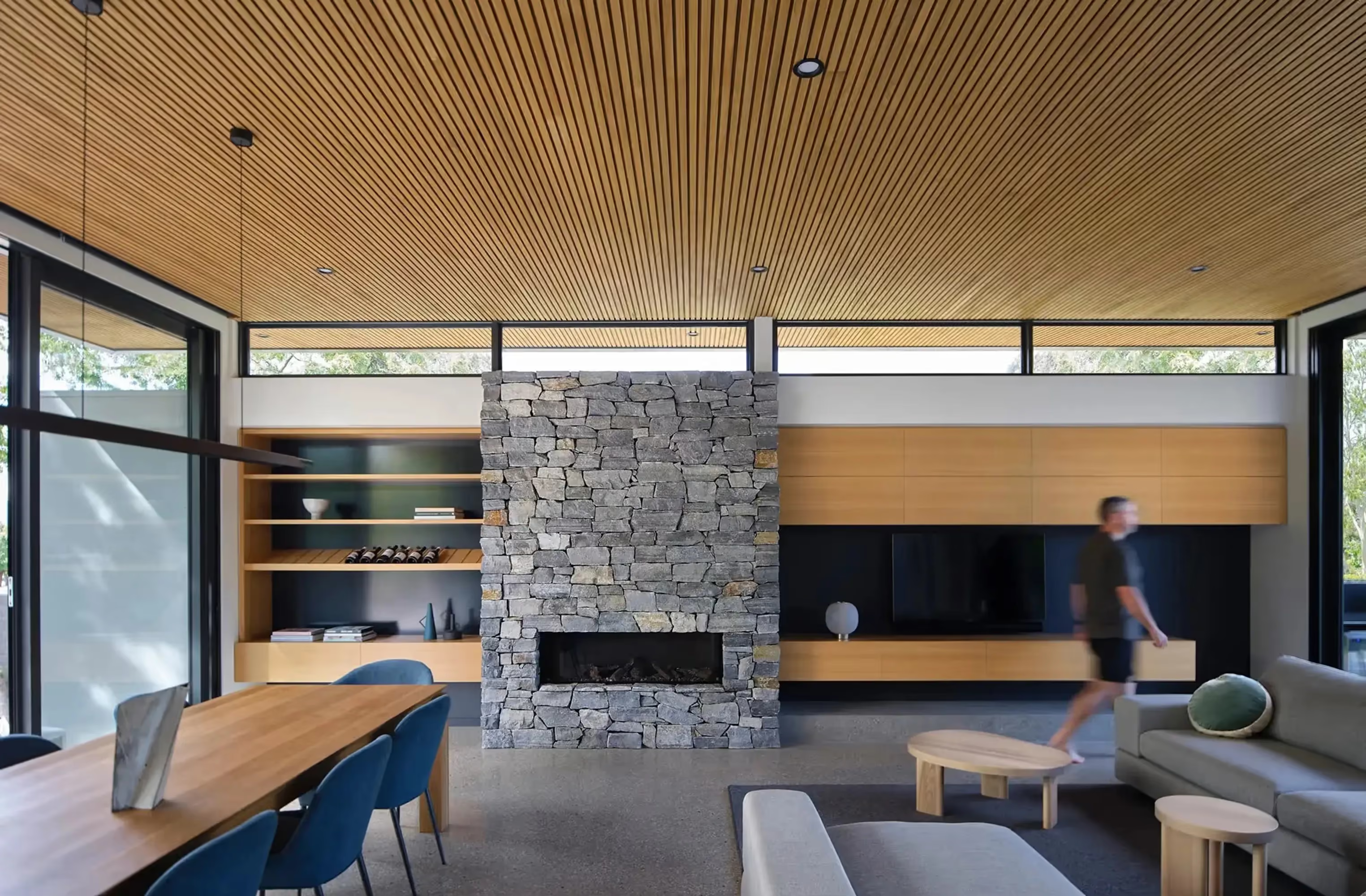
Creating Timber-Led Hospitality Interiors
Why Timber Matters in Hospitality Interiors Today
Timber brings something special to hospitality spaces that concrete and steel simply can't match. The natural grain patterns, warm tones, and tactile surfaces create an instant sense of welcome that guests notice the moment they walk in.
Hotels, restaurants, and bars are increasingly turning to timber because it ticks two important boxes: guest experience and environmental responsibility. Research shows that timber interiors can actually lower stress hormones and blood pressure in guests, making their stay more restorative.
The sustainability angle matters too. Australian travellers are becoming more conscious about where they spend their money, and timber delivers impressive carbon credentials. Mass timber buildings can reduce a structure's carbon footprint by up to 86% over its lifecycle compared to concrete alternatives.
From a design perspective, timber applications like acoustic panels, decorative beams, and designer lining boards offer practical benefits beyond aesthetics. Acoustic panels improve sound quality in busy restaurant spaces, while timber ceilings and wall linings create visual warmth that photographs beautifully for social media.
Recent changes to Australian building codes have made timber construction more viable for larger hospitality projects. This means designers can now incorporate substantial timber elements like feature walls, timber-clad staircases, and ceiling installations without the regulatory hurdles that once limited their use.
The beauty of timber in hospitality is its versatility. Whether it's shadow lines creating subtle texture in a hotel corridor or shiplap cladding adding character to a bar interior, these elements transform functional spaces into memorable experiences that guests want to return to.
Human-Centred Benefits: Comfort, Calm, and Character
Timber's natural qualities create hospitality spaces that genuinely connect with people. The gentle variation in wood grain, inherent warmth, and tactile comfort of timber surfaces help create calming environments that encourage guest relaxation.
Research shows that exposure to timber can reduce stress hormones, heart rate, and blood pressure. This makes hospitality interiors feel more restorative than spaces built with sterile materials.
The visual richness and lasting beauty of timber add authenticity and quality throughout guest touchpoints. Whether it's ceilings finished with shadow lines or walls lined with shiplap or decorative boards, these details make a difference.
As timber ages gracefully, it develops unique character that enhances guest perceptions of craftsmanship and longevity. This natural evolution adds value over time rather than detracting from it.
Combining timber with other natural materials and integrating varied textures through acoustic panels, trims, or decorative beams creates a cohesive and welcoming atmosphere. These choices help connect interiors to their Australian location, grounding spaces in a recognisable local context whilst reinforcing that important connection to nature.
The result is a hospitality experience built on comfort, calm, and lasting character that resonates with both guests and staff.
Sustainability as a Guest Expectation and Brand Advantage
Today's hospitality guests actively seek venues that demonstrate genuine environmental commitment. They're not just looking for a place to stay; they want their choices to align with their values.
Mass timber delivers impressive results here. Research shows it can reduce a building's carbon footprint by up to 86% over its lifecycle compared to concrete structures. The timber also continues storing carbon that trees absorbed during growth, actively supporting decarbonisation efforts.
Choosing responsibly sourced timber speaks directly to eco-conscious travellers whilst advancing your venue's sustainability credentials. Well-managed forests with proper chain-of-custody certification ensure your material choices support both local environments and responsible forestry practices.
Local or recycled timber strengthens this story even further. Sourcing locally cuts transportation emissions, while recycled materials add authenticity and connect your venue to its place. These choices show guests that sustainability runs through every decision, not just the surface level.
Australian hospitality operators are finding these timber elements particularly effective. Acoustic panels, decorative beams, designer lining boards, shadow lines, and timber trims create the warm, natural atmosphere guests love whilst delivering the sustainability credentials they expect.
When you communicate these choices clearly to guests, sustainability becomes a genuine brand advantage. In an increasingly competitive market, venues that can authentically demonstrate their environmental commitment through material choices like timber stand out from those making superficial green claims.
Acoustic Comfort: The Quiet Power Behind Memorable Stays
Timber's natural sound absorption makes it surprisingly effective for meeting hospitality acoustic standards. When you combine architectural timber linings with acoustic panels and batten systems, you can dramatically cut reverberation in busy spaces like dining rooms, lobbies, and bars.
Properly tested assemblies and careful detailing ensure timber installations hit those strict hospitality sound requirements. This puts to rest old worries about noise transfer in timber-lined spaces.
The real magic happens when you pair timber elements with soft furnishings and other sound-absorbing materials. Upholstered furniture, curtains, and strategically placed plants work alongside timber battens and acoustic boards to soften echoes and create genuinely peaceful environments.
In bars and restaurants, getting the background music right is just as crucial. You want clarity for conversation while maintaining that relaxed atmosphere guests love.
This complete approach to acoustic design delivers those quiet, inviting spaces where comfort flows naturally and conversation happens easily.
Spatial Flow and Zoning with Timber
Timber gives designers brilliant tools to create smooth spatial flow and smart zoning across hospitality venues. Ceilings lined with natural timber establish warm, defined circulation routes that connect communal dining areas with more private corners.
Feature walls and organic timber screens direct sightlines, subtly guide guest movement, and create clear separation between zones without blocking openness or light. These elements allow for strategically layered spaces where intimacy and sociability can coexist, meeting the diverse needs of contemporary venues across Perth.
Smart coordination of modular timber grids and internal partitions supports efficient spatial planning. Aligning visible ceiling battens or lining boards with the underlying architectural grid streamlines adjacent rooms and improves relationships between public spaces and back-of-house areas.
This clarity supports unobstructed service routes for staff, cuts down cross-traffic, and ensures that high-traffic zones like kitchen pass-throughs and bar counters function seamlessly even during peak periods.
Accessibility integrates smoothly within timber-led interiors. Circulation spaces, entries, and corridors lined in expressive timber finishes provide tactile orientation cues and a visual sense of welcome.
Clear, legible signage on or within timber walls combines practicality with consistent material language, ensuring inclusivity without visual clutter. Working with architectural timber specialists in Perth delivers hospitality settings where warm aesthetics and functional clarity elevate the guest experience for all visitors.
Material Choices, Finishes, and Detailing
Your material selection directly influences how guests perceive your brand and their overall experience. Light species like Blackbutt and Spotted Gum create bright, contemporary moods that feel open and fresh, whilst deeper timbers such as Jarrah build richer, more traditional atmospheres.
This variety means you can adapt the same timber approach to match everything from casual cafés to luxury hotels. Each species brings its own character that guests notice immediately.
Finish choices impact both appearance and durability. Smooth finishes work beautifully in premium settings where sophistication matters, whilst fine-sawn or textured surfaces add modern tactile interest that photographs well for social media.
Quality coatings and sealants showcase timber's natural grain patterns whilst providing essential protection against heavy foot traffic, spills, and frequent cleaning cycles that hospitality venues face daily.
The detailing separates good projects from exceptional ones. Concealed fixings create uninterrupted timber surfaces that look seamless across wall panelling, ceiling installations, and shadow lines.
Crisp junctions between timber and other materials like stone or metal deliver professional transitions that reinforce the quality perception. When you need curves for feature walls or ceiling forms, thoughtful detailing maintains visual precision whilst enabling dramatic design statements.
These elements combine to create spaces that feel cohesive and luxurious, layered with the warmth and character that keeps guests coming back.
Experience-Rich Applications that Guests Notice
Timber features in hospitality design serve as anchors for striking, experience-rich spaces that guests notice straight away. Feature walls, timber ceilings, and battens become visual focal points, drawing the eye and helping venues stand out.
Integrating lighting, either as concealed strips between battens or spotlights on textured panels, adds depth, rhythm, and intimacy. This becomes especially powerful in evening settings where mood matters most.
Timber-lined ceilings and cleanly detailed screens work brilliantly for zoning expansive spaces. These applications maintain a sense of comfort and direction while preserving the openness that modern venues require.
Smart use of ceiling battens and division panels helps guests read movement through lobbies, dining areas, and lounges. This optimises both flow and the overall guest experience.
Biophilic design principles get stronger when you pair timber's natural textures and tones with planting and natural design cues. Bringing in greenery, daylight, or views whilst echoing outdoor forms with curved linings and organic timber grids deepens guests' connection to place.
These approaches create a distinctive Australian ambience that aligns with international trends. Research demonstrates that exposure to timber and nature lowers stress and boosts wellbeing throughout a guest's stay.
Place-Making and Storytelling Through Timber
Place-making starts with authenticity. Using local timber species and reclaimed woods embeds a venue in its immediate surroundings. Selecting materials that resonate with Western Australia's landscape, whether richly grained native hardwoods or recycled timbers carrying traces of past use, roots hospitality environments in their own narrative.
Incorporating regional crafts, from hand-finished lining details to artisan timber joinery, reflects local culture and skill. This helps guests recognise and remember exactly where they are.
Storytelling comes alive through more than just materials. Timber detailing, such as distinctive acoustic panels or shaped battens, guides the eye and shapes the sensory journey through a space.
Integrating lighting within timber features or highlighting sculptural ceiling forms creates layers of atmosphere that become part of the venue's unique story. Artwork and decorative accents made from, or paired with, timber reinforce this narrative, giving visitors visual cues that connect the space to its wider context.
Sharing a project's sustainability journey is increasingly central for venues looking to stand apart. Timber provides a visible, tangible link to responsible sourcing and carbon reduction.
When reclaimed or locally sourced timber is used, the environmental story becomes immediately accessible to eco-minded travellers. The embodied carbon stored within timber elements, visible in wall linings, battens, or feature screens, can be pointed out as a practical demonstration of sustainability at work.
This transparency supports guest trust, enriches the brand's identity, and makes the story of the venue part of the guest experience.