
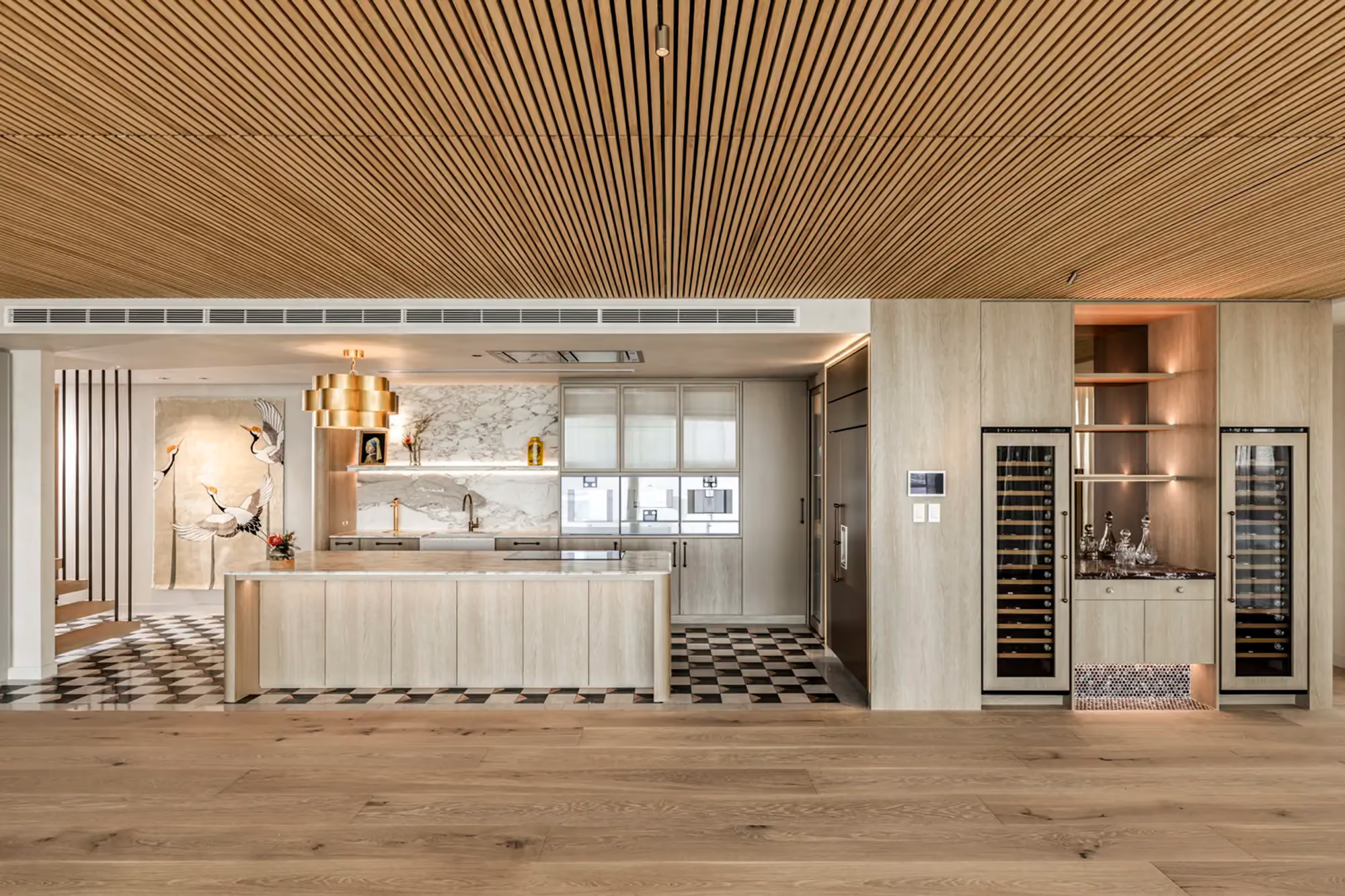
Caring for Your Acoustic Boards
Why caring for your acoustic boards matters
Your timber acoustic panels deserve proper care to keep them performing at their best. Dust settles into the wood slats over time, dulling their appearance and reducing how well they absorb sound.
A quick weekly clean with a soft brush or microfiber cloth keeps things fresh. For a deeper clean, your vacuum's brush attachment works brilliantly on the textured surface.
Stick to gentle, wood-friendly cleaners if you need something stronger. Test any product on a hidden spot first, and definitely avoid anything with harsh chemicals or excess moisture.
Australia's climate can be tough on timber. Keeping your indoor humidity steady helps prevent the panels from expanding and contracting too much. If your panels catch direct sunlight, consider UV-protective window film to prevent fading.
The beauty of a simple maintenance routine is that it prevents bigger problems down the track. Your panels will keep their crisp appearance and acoustic performance for decades with just a bit of regular attention.
Routine cleaning essentials
Dust loves settling into timber slats, so regular cleaning keeps your panels looking sharp and performing well. A soft-bristled brush works perfectly for weekly maintenance, gently sweeping across the surface and into those grooves where dust likes to hide.
Your vacuum's soft brush attachment is brilliant for deeper cleans. It pulls out embedded dust without being too harsh on the timber finish.
Stay away from steel wool, abrasive pads, or rough cleaning tools. These can easily scratch timber veneers and damage the delicate slat structure.
The key is consistency with gentle methods. This simple approach keeps your panels looking fresh and maintains their acoustic performance without risking any damage to the materials.
Spot cleaning and what to avoid
For minor marks, mix warm water with a small amount of mild soap and apply with a lightly damp cloth. Dry the area straight away with a soft, clean cloth to prevent moisture from affecting the timber or backing.
When using a wood-specific cleaner, always test it on a hidden section first to check for any adverse reaction.
Never saturate timber panels with water. Skip harsh or corrosive chemicals, and don't use abrasive scrubbing pads either.
Avoid overly wet cloths or letting excess moisture sit around, as this can damage both the wood veneer and the acoustic felt backing. Keep your cleaning motions gentle to protect the finish and preserve your panels' sound-absorbing qualities for years to come.
Environmental protection and seasonal care
Moisture and humidity management
Timber panels naturally expand and contract with changes in indoor humidity, which can affect how they look and perform over time. Keep your home's relative humidity levels consistent to minimise this movement and prevent warping.
Skip installing timber panels in bathrooms or anywhere with direct water exposure. These high-moisture areas just aren't suitable for timber products.
If you're in a humid region or dealing with wet season conditions, a dehumidifier can be your best friend. This is especially true for panels in enclosed spaces or high-traffic areas where moisture tends to build up.
Good airflow makes all the difference too. Proper ventilation stops moisture from accumulating and keeps your panels in top condition.
These simple steps help prevent swelling and deterioration, so your timber panels maintain their appearance and acoustic performance for years to come.
Sunlight and UV protection
Australia's intense UV conditions can quickly fade timber finishes, so positioning your panels away from direct sunlight helps preserve their rich appearance. If you can't avoid sunny windows, UV-protective window films are a smart investment.
These films cut down the ultraviolet light hitting your timber, keeping the colour and finish looking consistent for years longer. Think of it as sunscreen for your panels.
The difference is quite noticeable when you compare protected panels with those exposed to daily sun. Consistent UV protection maintains that fresh-from-installation look and keeps your acoustic panels performing at their best.
Placement and handling for best performance
Keep your panels completely exposed for the best acoustic and visual results. Don't place heavy furniture, artwork, or shelving directly in front of them, as this blocks sound waves and reduces how well the slatted surface works.
Clean edges and mouldings regularly with a soft cloth to remove dust and marks. This keeps that streamlined finish looking sharp and maintains the seamless join.
When you need to move or handle panels during renovations or maintenance, be gentle. Avoid knocking, dropping, or scraping the timber surfaces.
Even small dents or scratches can affect those crisp lines and reduce sound absorption performance. Handle with care and your acoustic timber panels will keep looking great whilst performing at their peak.
Inspections, touch-ups, and professional repairs
Regular visual checks help catch scratches, dents, or loose timber slats before they become bigger problems. It's a simple habit that saves you hassle down the track.
Minor surface marks can be disguised using a colour-matched timber marker or suitable wood filler. Apply it gently and blend it in for a seamless finish that matches the surrounding timber.
For loose sections, secure them straight away to prevent further movement or damage. A small repair now can stop much larger issues later.
If you notice significant structural concerns or larger damaged areas, call in a professional for assessment and repair. They'll have the right tools and experience to restore your panels properly.
This approach keeps your timber panels looking great and performing well for years to come, maintaining both their appearance and acoustic function.
Longevity, replacements, and upgrades
With proper care, timber acoustic panels stay looking great and working effectively for decades. Regular dusting, humidity control, and UV protection keep them in top condition, so replacements are rarely needed.
If a panel does show signs of wear beyond what minor touch-ups can handle, individual slats or sections can be swapped out. This maintains that seamless look across your entire installation without having to replace everything.
Interior design trends and acoustic technology keep moving forward, so you might want to consider upgrades down the track. Many suppliers, including architectural timber specialists in Perth, now offer recycling or trade-in programmes for older panels, making it easier to refresh your space whilst handling materials responsibly.
Taking this forward-thinking approach to upgrades and recycling supports sustainable timber interiors that work well in Australian conditions.
Everyday checklist for acoustic board care
Set up a weekly dusting routine using a microfibre cloth or soft-bristled brush to keep your acoustic boards looking fresh. This simple step prevents dust from building up in the timber slats and maintains their sound-absorbing performance.
For a deeper clean, your vacuum with a brush attachment works perfectly to remove embedded particles without damaging the timber surface. Just run it gently across the slats and grooves where dust tends to settle.
When dealing with stains, mix mild soap with water and use a lightly damp cloth. Always test any cleaning solution on a hidden area first, and dry the surface immediately to protect both the timber finish and acoustic felt backing.
Keep an eye on your indoor humidity levels throughout the year. Position panels away from damp areas and direct sunlight to prevent warping and fading, especially during Australia's harsh summer months.
Check your boards regularly for scratches, loose sections, or other damage. Catching these issues early means simple fixes now instead of bigger problems later, keeping your panels performing well for decades.
Practical takeaways for lasting performance
These simple habits make all the difference in keeping your acoustic panels looking great and performing well for decades. Weekly dusting prevents build-up that affects both appearance and sound absorption.
Stable indoor humidity protects against warping and shrinking, whilst UV protection from window films prevents fading in Australia's harsh sunlight. Keep panels away from direct sun where possible.
When cleaning, stick to timber-specific products and always test on a hidden area first. Use them sparingly and avoid excess moisture that could damage the wood or backing materials.
Regular quick inspections help you spot minor issues like loose slats or small scratches early. Simple spot repairs or touch-ups keep maintenance straightforward and prevent costly problems later.
This straightforward approach extends your panels' service life significantly. With consistent care, they'll remain both functional and attractive for decades, making them a brilliant long-term investment for Australian homes and commercial spaces.