
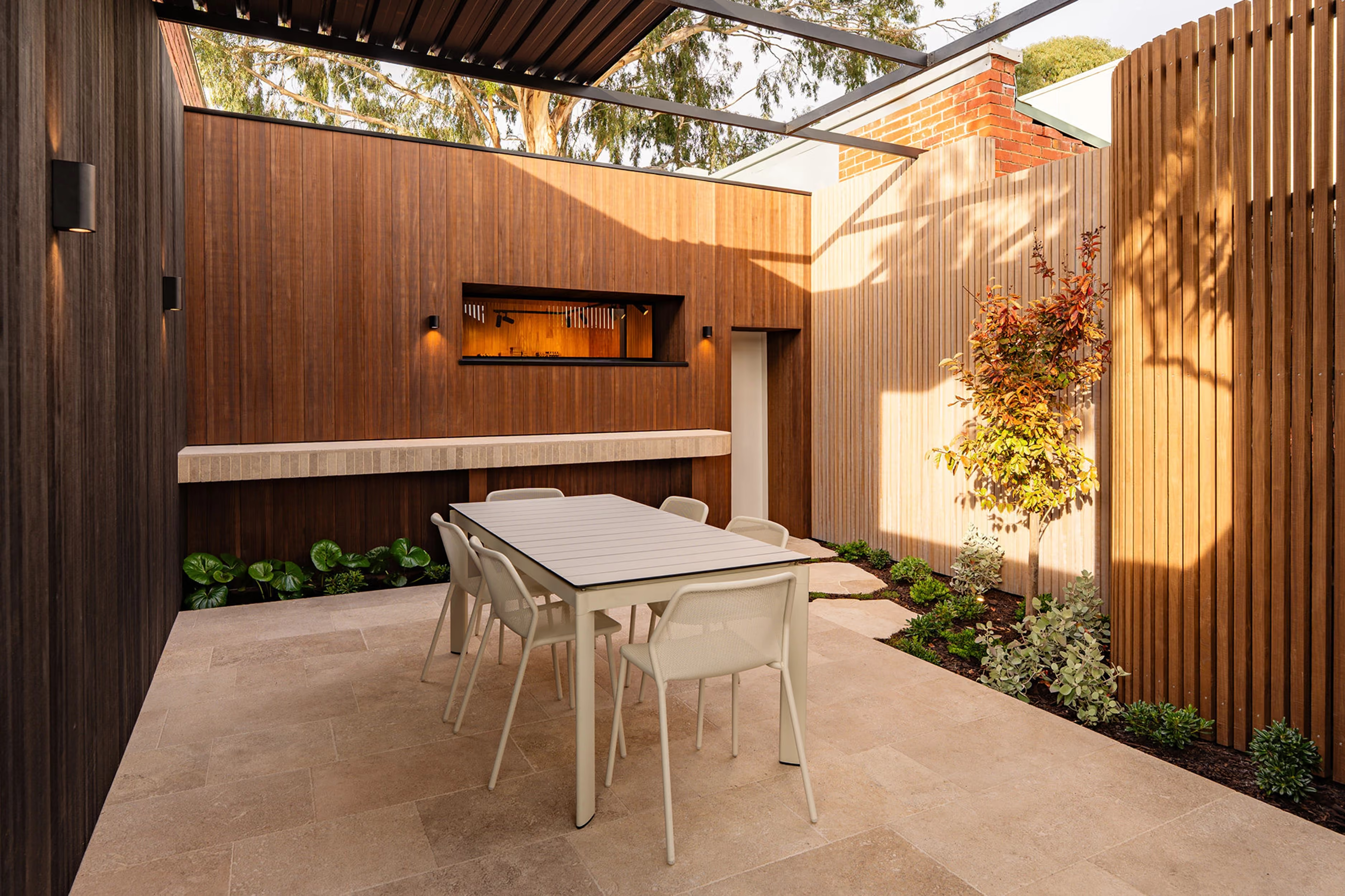
Abodo Timber Explained - What it is, how it's made and why Architects specify it.
Abodo timber is a range of engineered, modified exterior timbers grown and made in New Zealand. If you have heard the name, it is most likely through Vulcan, the best-known product in the range and the one this article focuses on. Abodo is a New Zealand company that has spent more than two decades reworking assumptions about exterior timber, developing high-performance products from rapidly renewable plantation forests rather than slow-growing old-growth species. For an architect or builder, the short version is this: it is a premium timber designed to behave more predictably outdoors than ordinary softwood, without the environmental cost of tropical hardwood.
How Abodo Timber Is Made
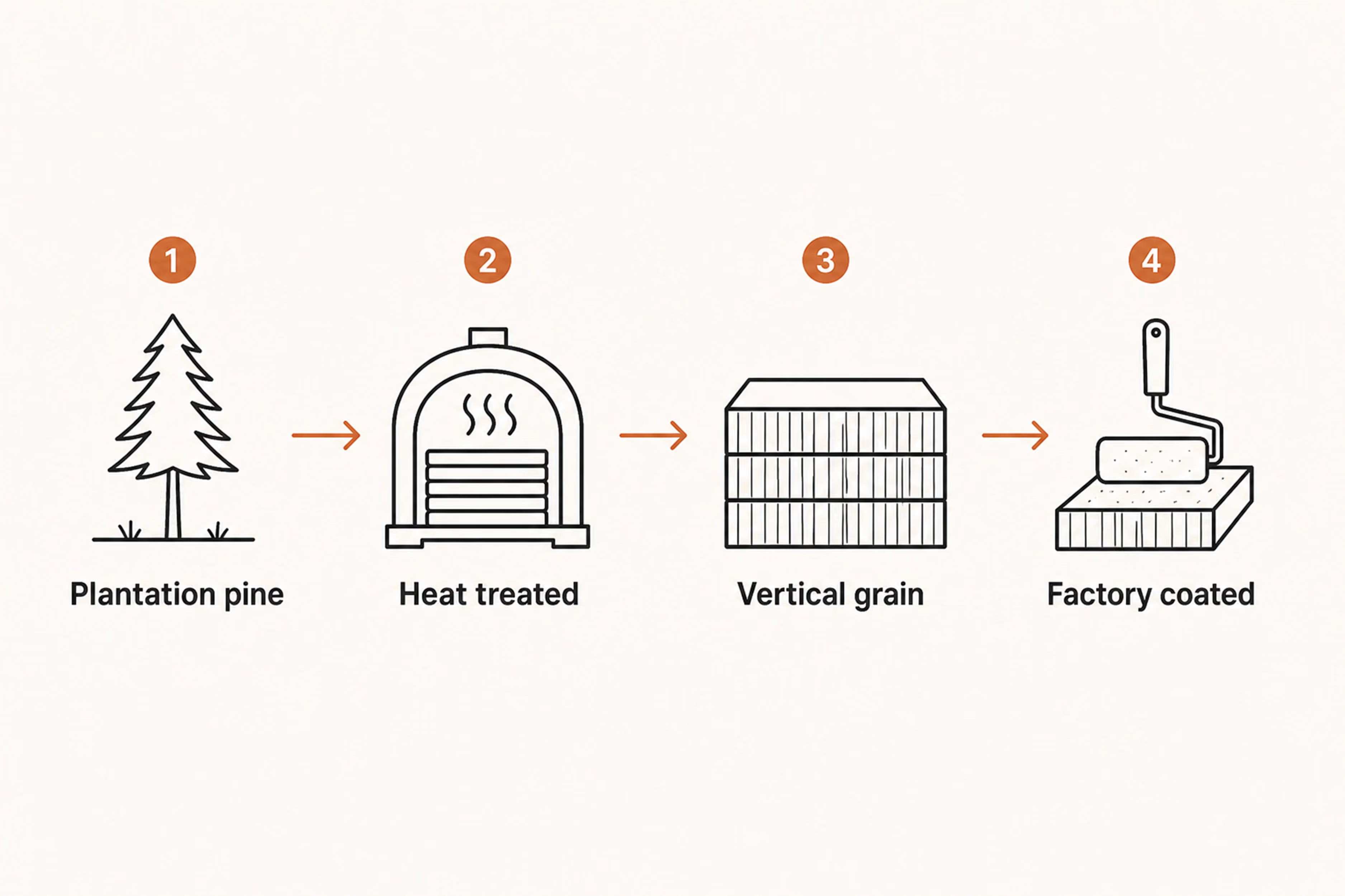
At the centre of the range is Vulcan, Abodo's thermally modified radiata pine. Unlike traditional preservative treatments, Vulcan goes through a controlled thermal modification process that uses only heat and steam, no chemicals. The timber is heated in purpose-built, computer-controlled kilns to temperatures in excess of 230 degrees Celsius, which permanently changes its cellular structure. That sharply reduces its ability to absorb moisture and increases its natural durability, so no chemical preservatives are needed for above-ground use. A quality control process measures selected parameters to make sure every piece is modified to the correct specification, which matters because there is currently no single standard for thermal modification and quality between producers varies widely.
Many of the Vulcan products also use Abodo's patented vertical-grain construction. Traditional flat-sawn boards tend to cup as they weather because of the way the growth rings sit; vertical-grain timber moves far less, surface checking is minimised and coatings tend to last longer because the substrate stays more stable. The clears grade timber is virtually knot free, and the boards are then profiled and, where specified, factory coated ready for a given application.
Why Architects Specify It
The appeal for specifiers comes down to predictable performance. Thermal modification and vertical grain together give timber with much improved dimensional stability, reduced resin bleed, better resistance to decay and a consistent, premium appearance across boards. Vulcan carries Durability Class 1 under EN350, the highest durability class from lab testing, and Abodo backs this with long-term field trials: after 91 months of outdoor testing its timber significantly outperformed Canadian Western Red Cedar heartwood. Being lightweight radiata, it is also straightforward to handle and work on site. For an architect, that means fewer movement issues, better coating performance and greater confidence that a facade will keep performing as designed, all from a plantation-grown architectural timber alternative to old-growth or tropical hardwoods.
Where It Is Used and What to Check
Abodo timber is used for exterior cladding and siding, rain screens, battens, screening and fins, soffits, interior walls and ceilings, decking, and windows, doors and joinery, as well as posts and beams.The right product, profile and coating depend on the application, so this is where specification detail earns its place. Vulcan can be coated in dark colours including black, and Abodo publishes technical data sheets, profile drawings and separate guides on how to specify, install and maintain. Cladding, panelling and screening carry a 25-year warranty, subject to the warranty conditions, so check what each application actually covers. Confirm the fixings and coatings suited to your climate, and note fire compliance where relevant; Abodo produces a fire-rated product, Vaaro, for situations that call for it.Because it is shipped from New Zealand, factor in availability and cost against locally stocked alternatives.
Sustainability and Honest Limitations
On sustainability, Vulcan holds up well. It is made from FSC-certified, rapidly renewable New Zealand plantation radiata pine with full chain-of-custody verification, offering an alternative to old-growth species such as Western Red Cedar and VG Hemlock. It is Declare 'Red List Free' certified by the Living Future Institute, and an Environmental ProductDeclaration shows each square metre of Vulcan cladding stores more than 7.56kg of carbon, more than is used in its production. Initial processing happens next to the forest to keep embodied energy down. The heat treatment avoids the red-list chemicals used in some preservative-treated timbers.
It is worth being clear-eyed about the limits, though. Abodo timber is not maintenance-free: coatings weather and need upkeep, and if it is left uncoated the colour will change as it silvers. Good detailing still matters, since no timber survives poor water management. And while it performs strongly for cladding, screening, decking and joinery, it should not be treated as a like-for-like substitute for every hardwood or for structural timber applications. Used for what it is good at, and specified with the right profile, coating and fixings, it is a genuinely capable exterior timber.